



What's Happening?
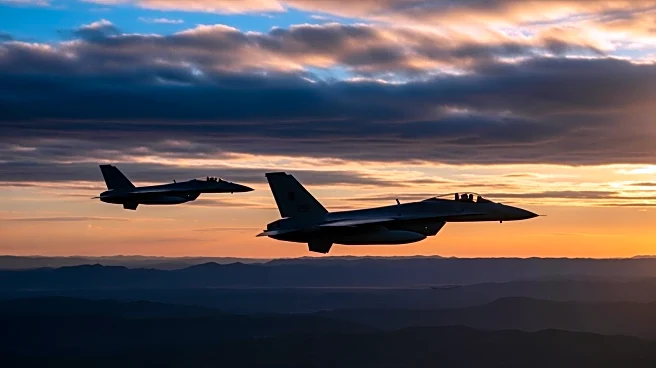
NATO member Poland has scrambled fighter jets following a series of Russian strikes on Ukraine, which occurred just before the resumption of peace talks. The Polish military initially heightened the alert status of its air defense and radar systems but
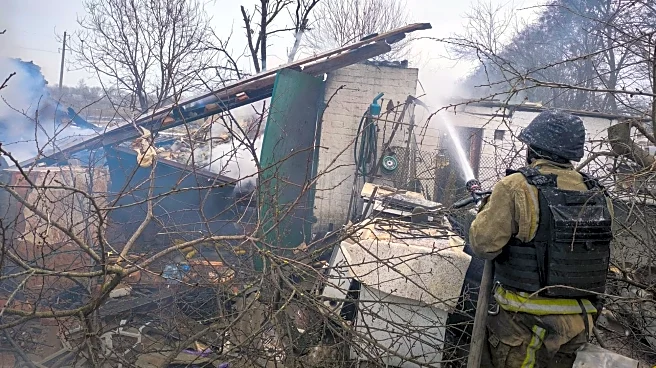
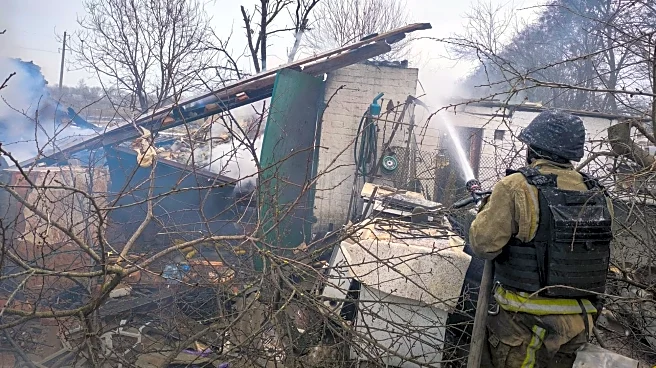
later confirmed that no objects had breached its airspace from Ukraine. The actions were described as preventive measures to secure Polish borders, especially in regions adjacent to the areas under threat. The strikes targeted Ukraine's western Lviv region, the southern city of Odesa, and areas near the eastern front lines. German aircraft stationed in Poland also participated in the response, as part of a NATO initiative to protect Polish airspace. This move comes after a previous incident where Russian drones crossed into Poland from Ukraine, prompting NATO to increase its aerial presence in the region.
Why It's Important?
The scrambling of NATO jets underscores the heightened tensions in Eastern Europe, particularly as Russia's military actions near NATO borders pose a potential threat to member states. Poland's proactive defense measures highlight the ongoing security concerns and the importance of NATO's role in maintaining regional stability. The situation also reflects the broader geopolitical dynamics, with Russia's actions drawing international scrutiny and potentially influencing diplomatic negotiations. The involvement of German aircraft signifies NATO's collective defense strategy and the alliance's commitment to protecting its members. This development could impact U.S. foreign policy and defense strategies, as the U.S. is a key NATO member and has vested interests in European security.
What's Next?
As peace talks are set to resume in Switzerland, the international community will closely monitor the outcomes, particularly regarding territorial disputes. The ongoing military activities could influence the negotiations, with skepticism about reaching a resolution. NATO may continue to bolster its presence in Eastern Europe to deter further aggression. Additionally, Poland's monitoring of 'balloon-like objects' from Belarus, a Russian ally, suggests a need for vigilance against unconventional threats. The U.S. and its allies may need to reassess their defense postures and diplomatic strategies in response to these developments.
Beyond the Headlines
The use of hybrid warfare tactics, such as smuggling balloons, highlights the evolving nature of modern conflicts, where non-traditional methods are employed to destabilize regions. This approach complicates defense strategies and requires innovative solutions to counteract such threats. The situation also raises questions about the effectiveness of current international diplomatic frameworks in addressing complex security challenges. The ongoing conflict and its implications for NATO's eastern flank could lead to long-term shifts in military alliances and defense policies.