
What's Happening?
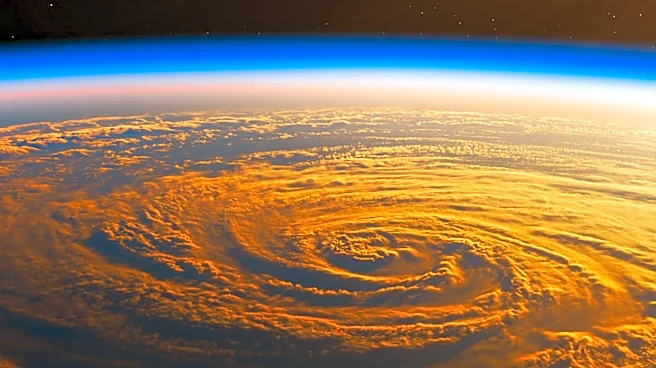
The World Meteorological Organization (WMO) has issued a warning about a strong El Niño event expected to intensify from next month. This development is likely to lead to above-normal temperatures and
significant changes in rainfall patterns globally. The WMO's forecasts suggest that sea surface temperature anomalies could exceed 2.9 degrees Celsius in key regions, indicating a robust El Niño event. This phenomenon is occurring amidst record global temperatures and ocean heat, raising concerns about its potential impacts on agriculture, public health, and vulnerable communities. The WMO is enhancing coordination and climate information services to help governments, humanitarian agencies, and climate-sensitive sectors prepare for these impacts. WMO Secretary-General Celeste Saulo emphasized the importance of timely action to mitigate the effects of El Niño, noting that while forecasts are crucial, they alone cannot prevent disasters.
Why It's Important?
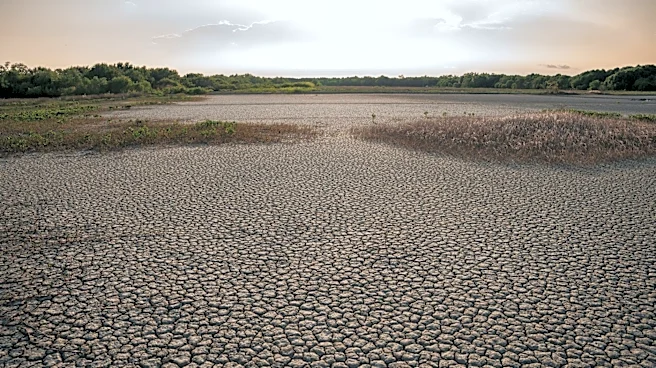
The intensification of El Niño has significant implications for global climate patterns, potentially exacerbating existing climate challenges. In the U.S., this could mean altered weather patterns, affecting agriculture, water resources, and public health. The increased temperatures and shifts in rainfall could lead to droughts in some areas and flooding in others, impacting food security and economic stability. Vulnerable communities are at particular risk, as they may lack the resources to adapt to these changes. The WMO's efforts to provide early warnings and climate information are critical in helping stakeholders prepare and respond effectively, potentially reducing the adverse impacts on society and the economy.
What's Next?
As El Niño intensifies, governments and organizations are expected to ramp up preparations to mitigate its impacts. This includes implementing early warning systems, developing contingency plans for extreme weather events, and investing in infrastructure to withstand climate-related challenges. The WMO will continue to monitor the situation and provide updates to ensure that reliable climate information reaches those most at risk. Stakeholders in agriculture, health, and other climate-sensitive sectors will need to adapt their strategies to cope with the anticipated changes in weather patterns.