






What's Happening?
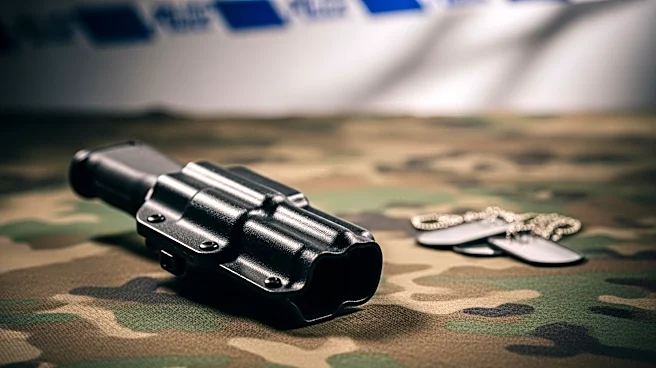
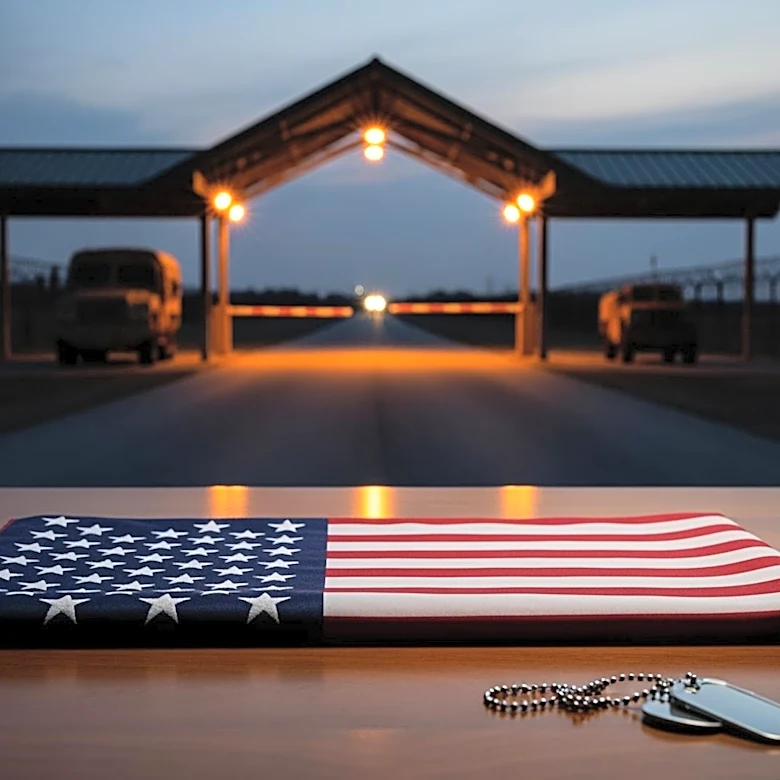
Defense Secretary Pete Hegseth announced a new policy allowing service members to carry personal firearms on military bases. This decision comes in response to recent shootings at military installations and is intended to enhance personal protection for
troops. Hegseth stated that base commanders will be directed to approve requests for carrying privately owned firearms unless there is a detailed written explanation for denial. Historically, military bases have been considered gun-free zones, with strict regulations on carrying personal weapons. The policy change aims to address concerns about the lack of access to firearms for self-defense in emergency situations. However, the decision has faced criticism from gun violence prevention advocates, who argue it could lead to an increase in gun-related incidents, including suicides.
Why It's Important?
The policy shift could have significant implications for military base security and the safety of service members. By allowing personal firearms, the Defense Department aims to empower troops to protect themselves during active shooter situations. However, this move raises concerns about the potential for increased gun violence, including accidental discharges and suicides, given that many service members who die by suicide use personal firearms. The decision reflects a broader national debate on gun rights and safety, highlighting the tension between Second Amendment rights and public safety concerns. The policy could also influence future discussions on gun regulations within the military and beyond.
What's Next?
The implementation of this policy will require careful monitoring to assess its impact on military base safety and security. Base commanders will need to establish protocols for approving firearm requests and managing potential risks. The policy may also prompt further debate among military leaders, lawmakers, and advocacy groups about the balance between personal protection and the risks associated with increased firearm access. Additionally, the policy could lead to legal challenges or calls for legislative action to address concerns about gun violence and safety on military installations.