
What's Happening?
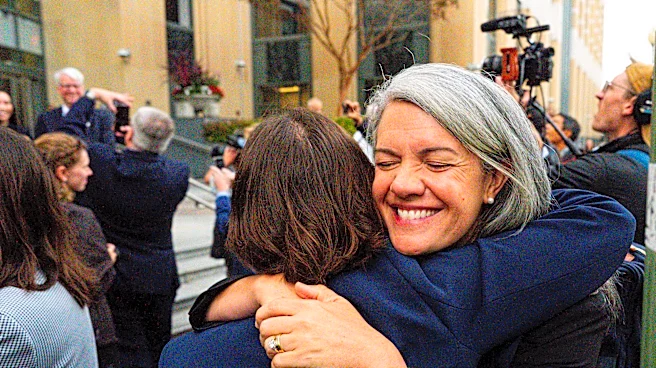
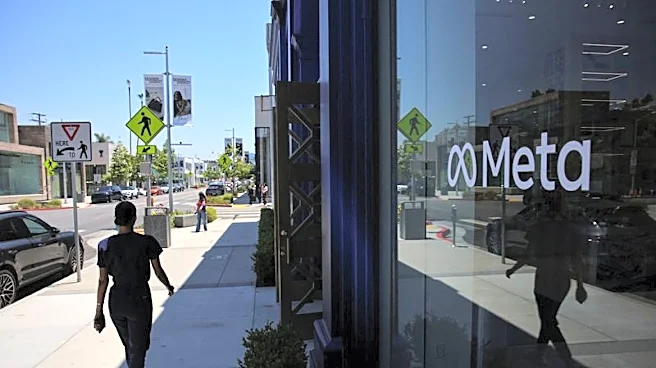
California lawmakers are pressing ahead with new social media legislation, despite a proposed $17 billion settlement between Meta and state attorneys general. Assemblymember Rebecca Bauer-Kahan, D-Orinda,
stated that while the settlement is a "huge vindication," it represents only a fraction of what needs to be done. Assemblymember Josh Lowenthal, D-Long Beach, has a bill pending that would require social media companies to offer users under 16 a version of their platforms without personalized feeds and establish an e-safety advisory committee. Another proposed measure would hold social media platforms liable for injuries to children if they fail to exercise ordinary care. Both bills must pass the Legislature by August 31 to be considered by Governor Gavin Newsom. Meta, in response, has called on other platforms like YouTube and TikTok to adopt similar restrictions.
Why It's Important?
This legislative push in California, even after a significant settlement, underscores a growing determination among state governments to regulate social media companies more stringently, particularly concerning child safety. The proposed bills go beyond the terms of the Meta settlement, indicating that lawmakers believe the industry needs more comprehensive and legally binding accountability. If passed, these laws could set a national precedent, influencing other states to adopt similar measures and creating a more fragmented regulatory landscape for tech companies. For social media platforms, this means facing increased legal liability and potentially significant changes to their product design and operational models, especially regarding features like personalized feeds and algorithmic content delivery for minors. The ongoing legislative efforts highlight a fundamental shift in how society views the responsibilities of tech giants towards their youngest users.
What's Next?
The two key bills in California must pass the Legislature by August 31 to advance to Governor Gavin Newsom for approval. If signed into law, these measures would impose new obligations and potential liabilities on social media companies operating in California. This could lead to further legal challenges from tech companies, arguing against the constitutionality or practicality of such regulations. The outcome in California will likely be closely watched by other states and federal lawmakers, potentially inspiring similar legislative initiatives across the country. The debate will continue to revolve around the balance between platform innovation, free speech, and the protection of children online, with the Meta settlement serving as a benchmark for future discussions and actions.
Beyond the Headlines
The continued legislative efforts in California, despite Meta's substantial settlement, reveal a deeper societal concern that voluntary agreements or reactive settlements are insufficient to address the systemic issues posed by social media to youth. This suggests a growing public and political will to treat social media platforms less as unregulated digital spaces and more as entities with significant public health responsibilities, akin to other industries that impact children's well-being. The focus on personalized feeds and algorithmic liability touches upon the core mechanisms of engagement that critics argue contribute to addiction and mental health issues. This legislative trend could lead to a re-imagining of the internet as a regulated public space, particularly for minors, challenging the long-held notion of platforms as neutral conduits of information. The ethical implications center on the extent to which governments should dictate product design for private companies to protect vulnerable populations, and how such interventions might impact innovation and the broader digital economy.