




What's Happening?
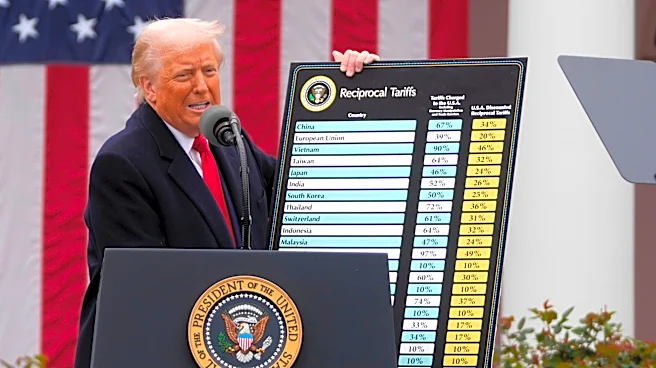
The United States, along with the European Union and other industrialized nations, is advocating for significant reforms in the World Trade Organization's (WTO) Special and Differential Treatment (S&DT) system. This push is met with strong resistance
from a majority of developing and least-developed countries, including China. The U.S. argues that the current S&DT system, which allows countries to self-declare their development status, undermines the credibility of the WTO. The proposed reforms aim to introduce more stringent, evidence-based criteria for S&DT eligibility. However, developing nations, supported by coalitions such as the African Group and the LDC coalition, insist that S&DT is a non-negotiable, treaty-based right essential for their economic development. The debate highlights a deep divide within the WTO, with developing countries fearing that the proposed changes could limit their policy space and hinder their industrial growth.
Why It's Important?
The outcome of this debate could significantly impact global trade dynamics. If the U.S.-led reforms are implemented, it could alter the balance of power within the WTO, potentially disadvantaging developing nations. This could lead to increased economic disparities and tensions between developed and developing countries. For the U.S. and its allies, reforming the S&DT system is seen as a way to ensure fair competition and maintain the WTO's relevance. However, for developing countries, maintaining the current S&DT provisions is crucial for their economic growth and integration into the global economy. The resolution of this issue will have long-term implications for international trade policies and the economic development of many nations.
What's Next?
The WTO is expected to continue discussions on this contentious issue, with both sides likely to present further proposals and arguments. The facilitator, Ambassador Nthisana Motsete-Phillips of Botswana, has indicated that a detailed report on the discussions will be prepared. The ongoing negotiations will require careful diplomacy to bridge the gap between the opposing factions. The U.S. and its allies may need to offer concessions or alternative solutions to gain broader support for their reform agenda. Meanwhile, developing countries will continue to advocate for the preservation of their rights under the current S&DT framework.