



What's Happening?
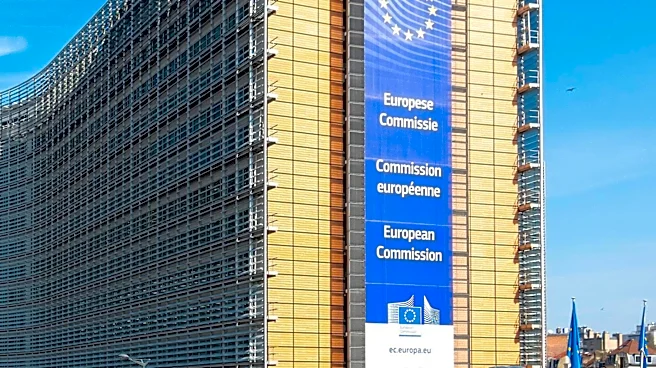
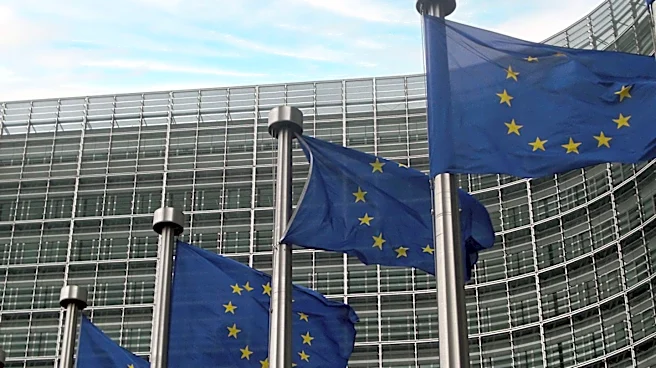
The European Commission is preparing to establish a Crisis Preparedness and Management Coordination Centre as part of its new EU Sustainable Tourism Strategy. This initiative aims to foster collaboration between national and European public authorities
to share experiences and best practices in responding to tourism-related crises. The move comes after the COVID-19 pandemic highlighted the profound economic impact of disruptions on the tourism sector, which extends beyond hotels to various related industries like detergent manufacturers and fine wine producers. Victoria Petrova, a senior tourism expert at the European Commission’s Directorate-General for Mobility and Transport (DG MOVE), emphasized that tourism is a significant economic and industrial ecosystem, contributing over 10% of the gross value added to the European economy. The Commission's strategy, adopted on November 4, has full support from the Council and seeks to create a more resilient and prepared tourism industry across Europe. The center will facilitate coordination and support among member states, as tourism remains primarily a national competence.
Why It's Important?
The establishment of this coordination center signifies a critical shift in how Europe views and manages its tourism sector, recognizing it as a vital economic pillar rather than merely a leisure activity. This proactive approach to crisis management is crucial for mitigating future economic shocks, whether from health crises, geopolitical events, or environmental disasters. By fostering shared knowledge and coordinated responses, the EU aims to protect the livelihoods of millions dependent on tourism and ensure the stability of related industries. The initiative also underscores the growing importance of data-driven decision-making, digital tools, and AI in anticipating and responding to crises. For U.S. tourism stakeholders, this development in Europe could set a precedent for international cooperation and best practices in tourism resilience, potentially influencing global standards and collaborative efforts in managing cross-border travel disruptions.
What's Next?
The European Commission will proceed with setting up the Crisis Preparedness and Management Coordination Centre, bringing together public authorities from national and European levels to share expertise. Concurrently, the Commission plans to issue recommendations and best practices for rebalancing tourism, which will help destinations anticipate economic risks. The EU Sustainable Tourism Strategy also includes an online academy to equip the tourism workforce and SMEs with the necessary skills to utilize digital tools for crisis preparedness. Furthermore, there will be continued efforts to integrate accessibility and inclusiveness into tourism planning, ensuring that destinations are safe and practical for both residents and visitors. The Commission is also developing a common European tourism data space and a future EU Tourism Observatory to support data-based decision-making, indicating a long-term commitment to a more robust and data-informed tourism sector.
Beyond the Headlines
This initiative reflects a broader recognition of tourism's interconnectedness with various societal and economic facets, moving beyond its traditional perception as a standalone leisure industry. The emphasis on crisis preparedness highlights a shift towards resilience and sustainability, acknowledging that external shocks can have cascading effects across entire economies. Ethically, the strategy aims to balance economic benefits with the well-being of local communities and environmental preservation, particularly in addressing overtourism. The integration of AI and digital tools also points to a technological transformation within the sector, raising questions about data privacy, algorithmic bias, and the equitable distribution of technological benefits. This European model could influence global tourism governance, encouraging other regions, including the U.S., to adopt similar comprehensive strategies for managing tourism in an increasingly unpredictable world, fostering a more collaborative and resilient global travel ecosystem.