




What's Happening?
The Stockholm International Peace Research Institute (SIPRI) has reported a substantial decrease in Russia's share of global major-arms exports. According to SIPRI, Russia's share plummeted from 21 percent in the 2016-2020 period to 6.8 percent in 2021-2025.
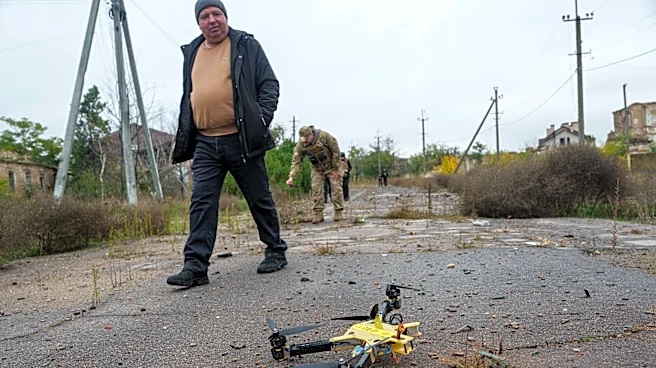
This sharp decline is primarily attributed to the ongoing conflict in Ukraine, which has diverted Russian defense equipment from export markets to domestic military needs. Despite this, the conflict is also seen as a catalyst for revitalizing Moscow's defense exports through rapid innovation in military technology. Russian officials and industry leaders are actively planning to leverage battlefield experience to secure future commercial advantages in the global arms market, particularly in regions like Africa, Asia, and Latin America. They are seeking more flexible government contracts and private investment to support this goal.
Why It's Important?
This shift in global arms exports has significant implications for international security and geopolitical dynamics. The reduction in Russia's export capacity could alter the balance of power in regions heavily reliant on Russian weaponry, potentially opening doors for other major arms exporters, including the United States and European nations. For the U.S., this could mean increased opportunities for defense contracts and strengthened alliances with countries seeking alternative suppliers. Conversely, the push by Russia to revitalize its defense industry through innovation, particularly in areas like drones and electronic warfare, could lead to a more competitive and technologically advanced global arms market. This development also highlights the economic strain the Ukraine war places on Russia's defense sector, even as it attempts to adapt and find new avenues for revenue and influence.
What's Next?
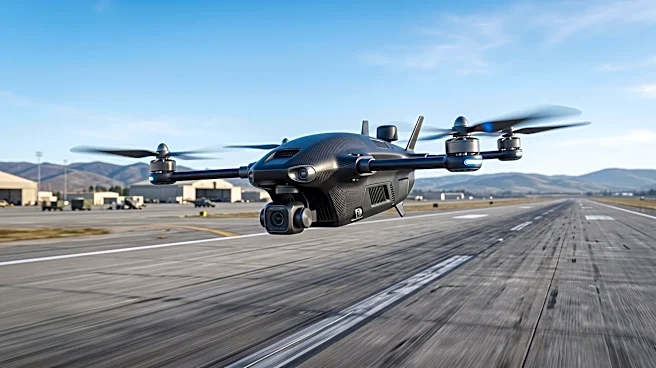
Following the reported decline, Russia is expected to intensify its efforts to re-establish and expand its presence in the global arms market. This includes focusing on regions such as Africa, Asia, and Latin America, where Russian firms aim to compete with Western suppliers. Initiatives like the launch of specialist investment funds by state-backed PSB and the Center for Unmanned Systems and Technologies indicate a strategic push to support defense and dual-use technology companies. Ukraine, despite being the largest importer of major arms in 2021-2025, is also working to build its own defense industry and export capabilities, though it faces challenges in bureaucracy and securing export permits. The competition between Russia and Ukraine for arms contracts in various regions is likely to intensify, potentially outlasting the current conflict.
Beyond the Headlines
The reported changes in arms exports underscore a broader transformation in military industrial complexes. The Ukraine conflict has served as a real-world laboratory, accelerating the development and refinement of advanced weaponry, particularly drones and electronic warfare systems. This rapid innovation, driven by wartime necessity, is now being eyed for commercial exploitation. The long-term implications include a potential proliferation of sophisticated military technologies globally, as both Russia and Ukraine seek to monetize their battlefield experience. This could lead to ethical dilemmas regarding the spread of advanced weapons and the potential for increased regional conflicts. Furthermore, the emphasis on technology transfers and local manufacturing in arms deals suggests a shift towards deeper, long-term strategic partnerships rather than simple buyer-seller relationships, influencing geopolitical alignments for decades to come.