






What's Happening?
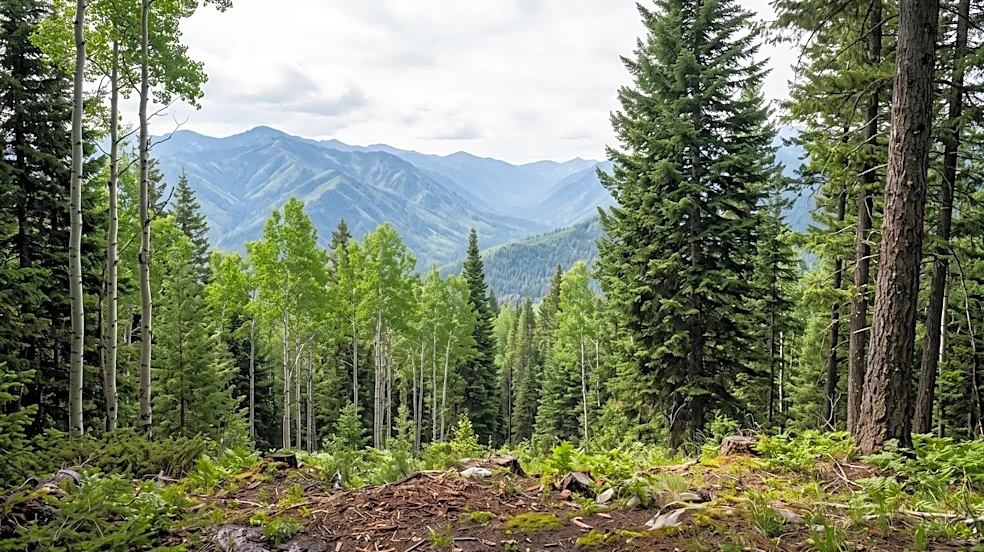
The Flathead National Forest has officially approved the Piper Creek Project, a 2,307-acre forest management initiative located approximately 10 miles north of Condon in the Swan Valley, Montana. This project aims to significantly reduce wildfire risk
and enhance overall forest health. The environmental review process has been completed, and work is slated to commence immediately. The comprehensive plan includes 1,415 acres designated for commercial treatments and an additional 892 acres for noncommercial treatments. These efforts will specifically target trees affected by common forest ailments such as root rot, dwarf mistletoe, and bark beetles. Furthermore, crews will focus on reducing hazardous fuels in close proximity to residential areas and critical infrastructure, thereby improving firefighter safety and limiting wildfire spread. An additional 40 acres will undergo treatments designed to improve the health and vitality of aspen stands within the forest.
Why It's Important?
This wildfire mitigation project is crucial for several reasons, primarily addressing the escalating threat of wildfires in the Western United States. By reducing hazardous fuels and treating diseased trees, the Flathead National Forest is taking proactive steps to protect communities and infrastructure from devastating fires. The project's focus on improving forest health through the removal of diseased trees also contributes to a more resilient ecosystem, better able to withstand future environmental stressors. Economically, the project is designed to support local economies through sustainable timber production, providing jobs and resources to the region. For residents near Condon, the reduction in wildfire risk offers increased safety and peace of mind. This initiative serves as a model for integrated forest management, balancing ecological health with community protection and economic benefits, which is increasingly vital in fire-prone regions across the U.S.
What's Next?
With the approval granted, work on the Piper Creek Project is expected to begin immediately. This will involve the deployment of crews to conduct both commercial and noncommercial treatments across the designated 2,307 acres. Local communities can anticipate increased activity in the area as forest management operations get underway. The Flathead National Forest will likely provide updates on the project's progress through its official channels. Over the coming months and years, the effectiveness of these treatments in reducing wildfire risk and improving forest health will be monitored. This project may also serve as a case study for future forest management initiatives in other fire-prone regions, influencing policy and operational strategies for wildfire prevention and forest restoration across the U.S. The long-term success of the project will be measured by its impact on fire behavior, ecosystem resilience, and community safety.
Beyond the Headlines
Beyond the immediate benefits of wildfire risk reduction, this project highlights a broader shift in forest management philosophy towards proactive, ecosystem-based approaches. Historically, forest management often focused on fire suppression; however, the increasing intensity and frequency of wildfires necessitate a more holistic strategy that includes fuel reduction and forest health improvements. This project also touches upon the complex interplay between environmental conservation and economic development, demonstrating how sustainable timber production can be integrated into ecological restoration efforts. The focus on treating diseases like root rot and bark beetles underscores the interconnectedness of forest health factors, where one issue can exacerbate others, including fire risk. Furthermore, the project implicitly addresses the impacts of climate change, as healthier forests are generally more resilient to changing climatic conditions and extreme weather events. This initiative represents a critical step in adapting to and mitigating the challenges posed by a changing climate on U.S. forest ecosystems.