



What's Happening?
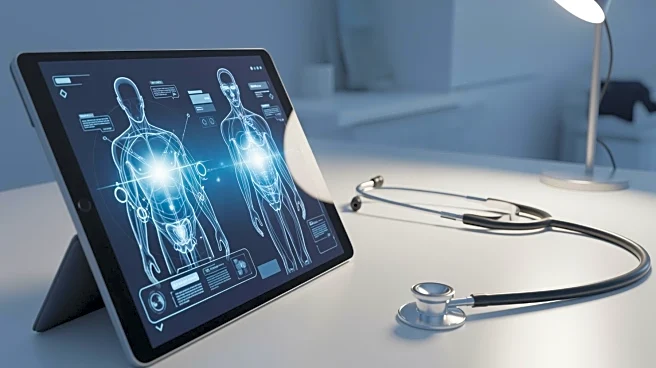
Medical training is evolving with the integration of interactive learning tools to enhance student engagement and diagnostic skills. Traditional methods, heavily reliant on memorization, are being supplemented by digital tools that facilitate interactive,
case-based learning. This approach aims to bridge the gap between theoretical knowledge and practical application, crucial for medical students who often face high stress and burnout. Interactive image-based learning and clinical reasoning are highlighted as effective methods to improve engagement and diagnostic accuracy. Studies have shown significant improvements in diagnostic skills among students using these tools, with institutions like the University of Ottawa incorporating them into their curriculum. The shift towards digital learning tools is not intended to replace traditional methods but to augment them, providing a more comprehensive educational experience.
Why It's Important?
The integration of interactive learning tools in medical education is significant as it addresses the limitations of traditional memorization-based methods. By enhancing engagement and diagnostic skills, these tools prepare students for real-world medical scenarios, potentially reducing diagnostic errors and improving patient care. The approach aligns with the growing demand for healthcare professionals who can think critically and make informed decisions under pressure. For educational institutions, adopting these tools can lead to better student outcomes and satisfaction, addressing issues of burnout and motivation. The broader impact includes a more competent healthcare workforce, which is crucial for meeting the increasing demands of the medical field.
What's Next?
As educational institutions continue to adopt interactive learning tools, further research and development in this area are expected. The focus will likely be on refining these tools to enhance their effectiveness and accessibility. Institutions may also explore partnerships with technology companies to develop customized solutions that meet specific educational needs. Additionally, there may be an increased emphasis on training educators to effectively integrate these tools into their teaching methods. The success of these initiatives could lead to a broader adoption of similar approaches in other fields of education, promoting a shift towards more interactive and engaging learning experiences.