






What's Happening?
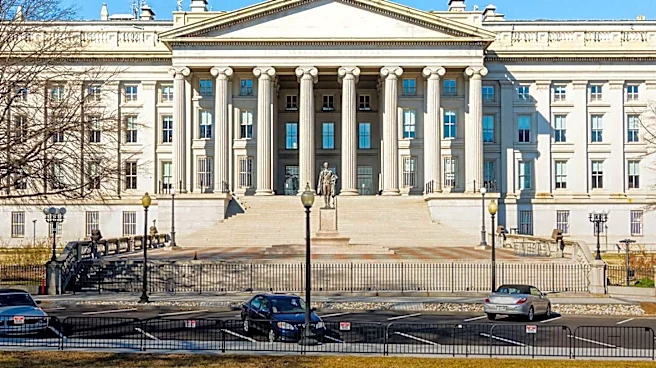
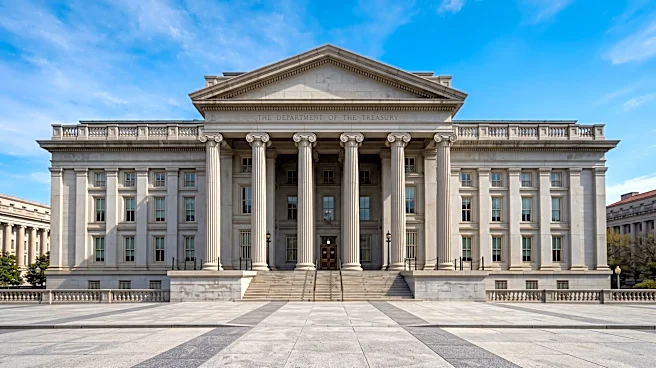
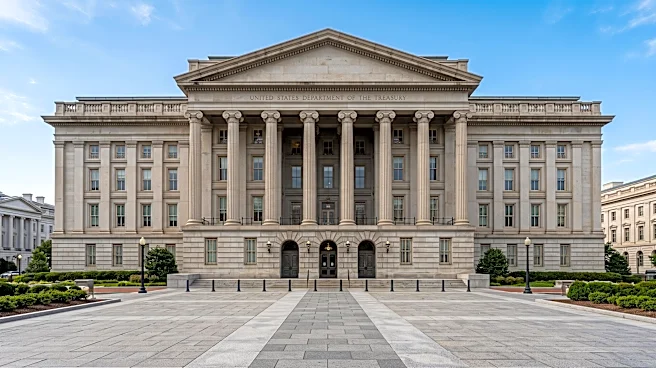
The U.S. Department of the Treasury and the Internal Revenue Service (IRS) have announced the designation of 6,576 Qualified Opportunity Zones (QOZs) across all 50 states, U.S. territories, and the District of Columbia. These new designations, effective
January 1, 2027, will remain in place for ten years. The initiative stems from President Trump’s Working Families Tax Cuts, which permanently renewed and strengthened the Opportunity Zone tax incentive program. This legislation also introduced enhanced benefits for investments in eligible rural communities and established a process for redesignating zones every decade. Treasury Secretary Scott Bessent stated that these designations aim to direct private investment into overlooked communities, fostering economic opportunity, job creation, and long-term growth. IRS Chief Executive Officer Frank J. Bisignano emphasized that the permanent extension and expansion of QOZs will attract long-term investment into underserved, rural, and economically distressed areas.
Why It's Important?
The designation of over 6,500 new Qualified Opportunity Zones is significant for several reasons. It provides investors, entrepreneurs, and local leaders with long-term certainty, encouraging them to commit capital to communities that have historically lacked sufficient private investment. This influx of capital is intended to stimulate economic growth, create jobs, and improve the overall economic well-being of residents in these designated areas. The program's focus on rural areas, with enhanced incentives, aims to address economic disparities between urban and rural regions. By channeling private-sector investment, the initiative seeks to build upon the more than $110 billion already invested since the program's inception in 2017, further driving development in distressed communities across the country. The long-term nature of these designations (ten years) offers stability for substantial, impactful projects.
What's Next?
The newly designated Qualified Opportunity Zones will officially become effective on January 1, 2027, initiating a ten-year period during which these communities can attract new investments under the program's tax incentives. Following this announcement, state and local governments, along with economic development organizations, are expected to actively promote these zones to potential investors. Businesses and individuals looking to defer or reduce capital gains taxes by investing in these areas will begin to evaluate opportunities within the newly designated tracts. The Treasury and IRS will likely monitor the impact of these new designations on economic development, job creation, and overall community revitalization. The success of these zones will depend on continued investor interest and effective local planning to leverage the tax incentives for sustainable growth.
Beyond the Headlines
The expansion of Opportunity Zones reflects a broader policy strategy to address regional economic inequality and stimulate growth in areas that have experienced disinvestment. While the program aims to uplift distressed communities, its long-term success and equitable distribution of benefits remain subjects of ongoing discussion. Critics often raise concerns about potential gentrification and whether the benefits truly reach existing residents, or if they primarily accrue to investors. The permanent renewal and expansion under President Trump's Working Families Tax Cuts underscore a sustained commitment to this approach, suggesting that Opportunity Zones will continue to be a significant tool in federal economic development policy. The effectiveness of these zones will ultimately be measured by their ability to create sustainable economic opportunities and improve the quality of life for residents in these historically overlooked areas, rather than just attracting capital.