






What's Happening?
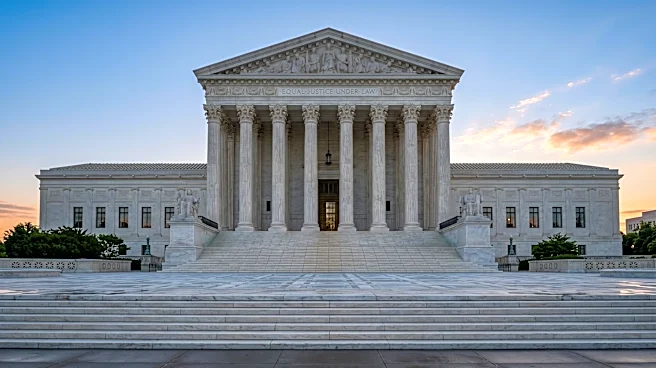
The U.S. Supreme Court has agreed to hear the case of Kenneth Jouppi, an 83-year-old Alaska bush pilot, who is challenging the state's forfeiture of his $95,000 Cessna aircraft. Jouppi argues that the forfeiture, stemming from a misdemeanor conviction
for transporting beer into a dry village, violates the Eighth Amendment's Excessive Fines Clause. In 2012, state troopers found 72 cans of beer in a passenger's belongings on Jouppi's plane, which was bound for Beaver, Alaska, a community prohibiting alcohol importation. Jouppi claims he was unaware of the beer. He was convicted under state law for knowingly transporting alcohol into a dry community, receiving a sentence of 180 days in jail (177 suspended), a $3,000 fine (half suspended), and three years of probation. A trial court initially found the forfeiture of his $95,000 plane unconstitutionally excessive, but the Alaska Supreme Court later ruled that the forfeiture was not grossly disproportionate, citing the severe societal harm of illegal alcohol importation in rural Alaska.
Why It's Important?
This case is significant because it will clarify how courts should apply the Eighth Amendment's Excessive Fines Clause, specifically whether they must consider a defendant's specific conduct or can assess the gravity of an offense in the abstract. The Supreme Court's decision will have broad implications for asset forfeiture laws across the United States, which allow the government to seize property allegedly involved in criminal activity. If the Court rules that specific conduct must be considered, it could limit the government's ability to seize valuable assets for minor offenses, potentially protecting individuals from disproportionate penalties. Conversely, if the Court upholds the Alaska Supreme Court's reasoning, it could strengthen the government's power to use forfeiture as a deterrent, even when the value of the seized asset far exceeds the monetary fine for the crime. This case touches upon fundamental questions of due process, property rights, and the balance between state power and individual protections under the Constitution.
What's Next?
The Supreme Court will hear oral arguments in Jouppi v. Alaska, though a date has not yet been set. The central question before the justices is whether courts must evaluate the gravity of a defendant's particular conduct when determining if a forfeiture is excessive, or if they can consider the broader societal harm of the offense in the abstract. Jouppi's attorneys argue that the Alaska court placed too much weight on statewide alcohol-related harm rather than the specifics of his case, noting the plane's value was 9.5 times the maximum monetary fine. The outcome of this case will establish a precedent for how the Excessive Fines Clause is interpreted and applied in future asset forfeiture cases nationwide. The decision could lead to challenges to existing forfeiture laws or prompt legislative changes at both state and federal levels to align with the Court's ruling. It will also be closely watched by civil liberties advocates and law enforcement agencies.
Beyond the Headlines
The Jouppi case transcends the specifics of an Alaska pilot and a beer shipment, delving into the philosophical underpinnings of justice and punishment in the U.S. legal system. Asset forfeiture, while intended to deter crime and strip criminals of ill-gotten gains, has long been criticized for its potential for abuse and for disproportionately impacting individuals, particularly those with limited resources. The case highlights the tension between the state's interest in deterring harmful activities, such as illegal alcohol importation in vulnerable communities, and the individual's right to protection from excessive government penalties. The Supreme Court's ruling could redefine the boundaries of what constitutes an 'excessive fine,' potentially influencing how courts weigh the severity of an offense against the value of seized property. This could lead to a re-evaluation of the punitive nature of forfeiture laws and their impact on property rights, potentially fostering a more equitable application of justice or, conversely, reinforcing the state's expansive powers in combating certain crimes.