



What's Happening?
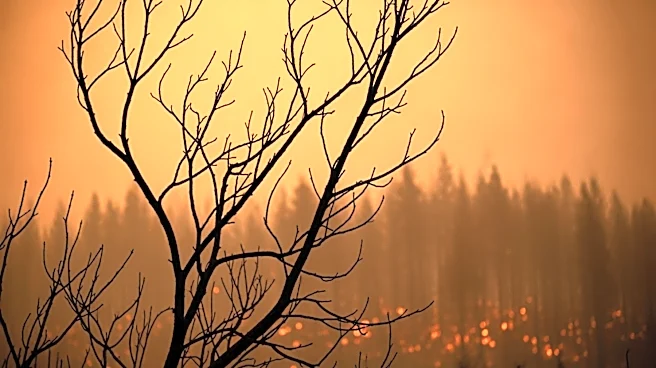
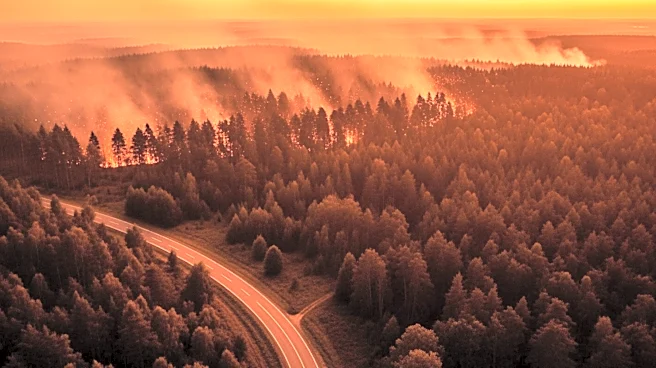
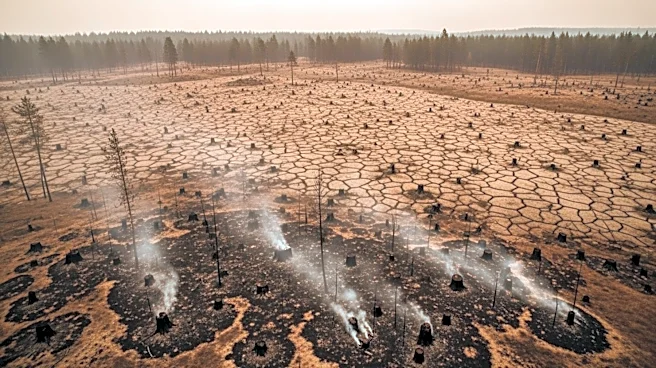
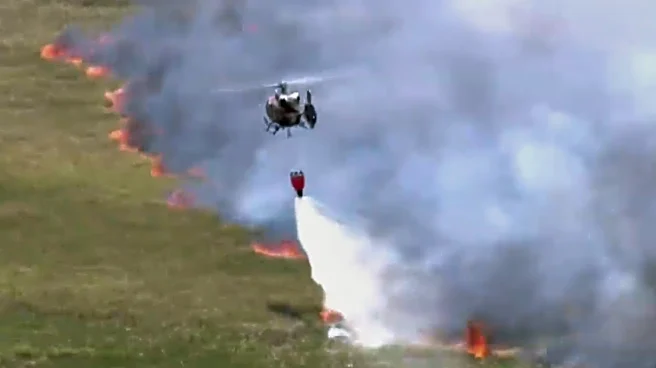
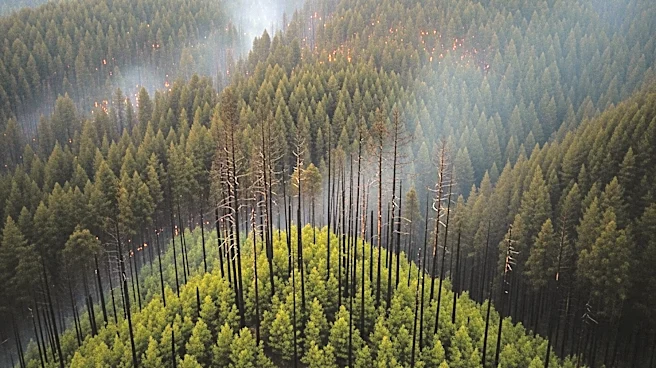
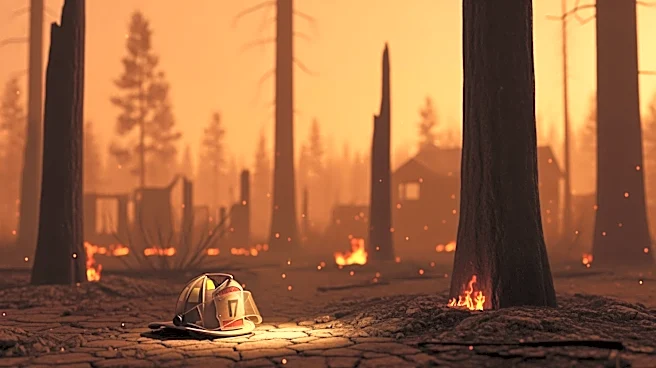
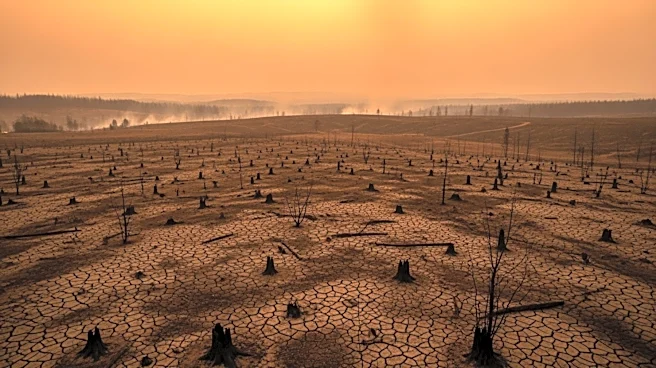
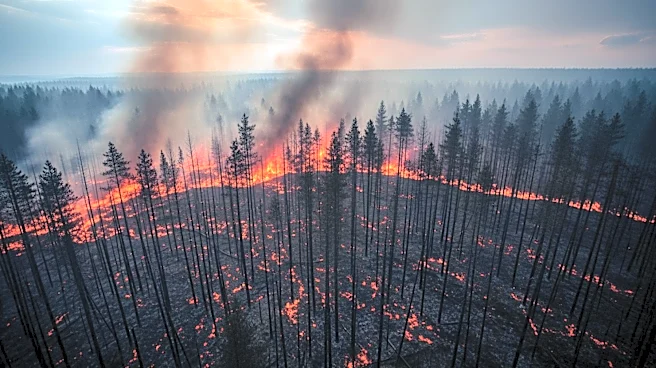
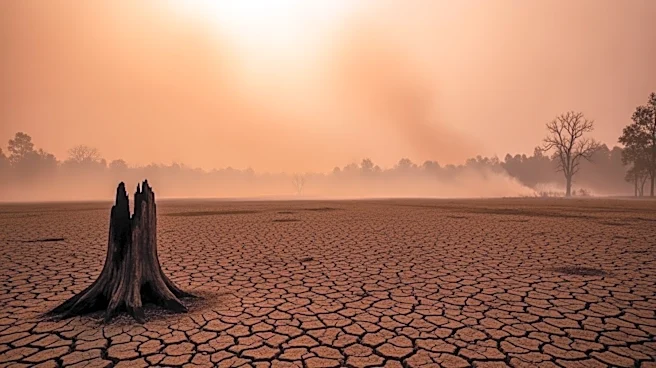
A volunteer firefighter, James 'Kevin' Crews, died from a medical emergency while battling a wildfire in northern Florida. Meanwhile, in Georgia, wildfires have destroyed over 120 homes, with 87 homes lost in Brantley County alone, marking a historic
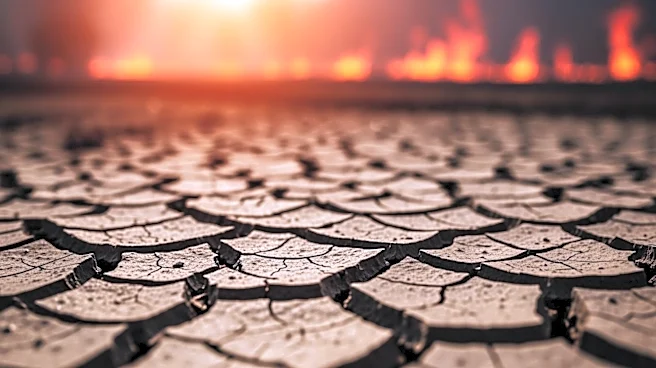
high for the state. The fires, exacerbated by drought, gusty winds, and climate change, have led to widespread evacuations. The Brantley County fire is suspected to have been ignited by an aluminum party balloon that contacted power lines. Firefighters are working to contain the fires, but the situation remains critical with more than 150 wildfires burning across Georgia and Florida.
Why It's Important?
The wildfires highlight the increasing vulnerability of the southeastern U.S. to fire hazards, driven by climate change and environmental conditions. The destruction of homes and the death of a firefighter underscore the human and economic toll of these disasters. The fires have prompted evacuations and air quality warnings, affecting thousands of residents. The situation calls for urgent attention to fire management and climate adaptation strategies to mitigate future risks. The loss of homes and infrastructure also poses significant challenges for recovery and rebuilding efforts in the affected communities.
What's Next?
Efforts to contain the fires continue, with firefighters focusing on protecting structures and creating fire breaks. Rain is forecasted, which may help slow the fires, but significant rainfall is needed to fully extinguish them. State and local authorities are likely to review and enhance fire prevention and response strategies. The events may also prompt discussions on climate policy and resource allocation for disaster preparedness. The community will need support for recovery and rebuilding, and there may be increased advocacy for climate resilience measures.