



What's Happening?
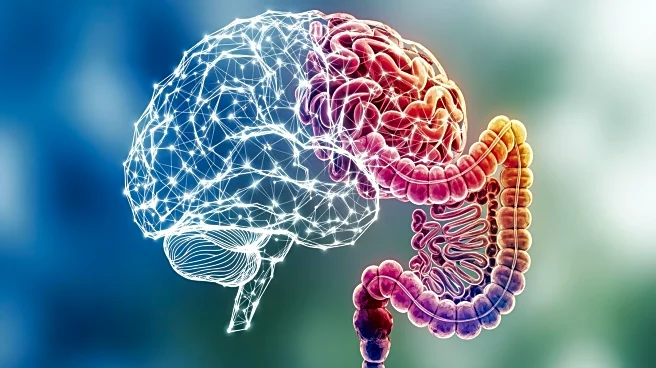
A new study published in the Journal of Affective Disorders suggests that the gut microbiome may play a role in the development of social anxiety disorder. Researchers found that transplanting gut bacteria from adolescents with social anxiety into newborn
rats induced anxiety-like behaviors and altered brain chemistry. This research highlights the potential influence of the gut-brain axis on social anxiety, a condition characterized by intense fear of social situations. The study involved 40 adolescents with social anxiety and 32 healthy controls, revealing differences in gut bacteria composition between the two groups.
Why It's Important?
This study provides new insights into the biological underpinnings of social anxiety disorder, suggesting that gut health could be a target for future treatments. Current therapies for social anxiety, such as medication and psychotherapy, are not effective for all patients, highlighting the need for alternative approaches. Understanding the gut-brain connection could lead to more effective and accessible treatments, potentially improving the quality of life for individuals with social anxiety. This research also underscores the importance of considering biological factors in mental health disorders, which could influence future clinical practices and therapeutic strategies.
What's Next?
Future research will focus on identifying specific bacterial strains and metabolites responsible for the observed effects, as well as exploring the pathways through which gut bacteria influence brain function. Researchers plan to expand their studies to include more diverse populations to determine if these findings are applicable across different demographics. This could pave the way for the development of microbiome-based interventions for social anxiety disorder, offering a novel approach to treatment that could complement existing therapies.