





What's Happening?
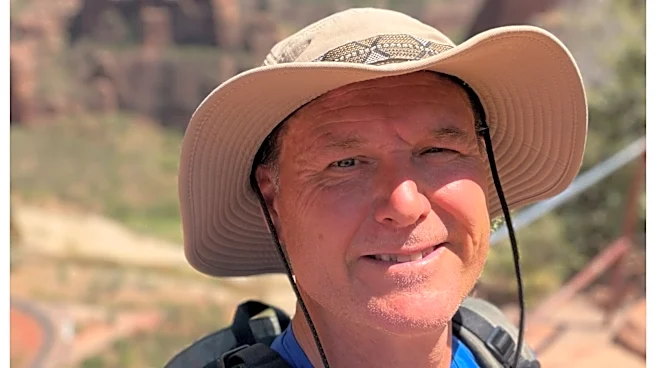
Human remains found in the Grand Canyon have been identified as Timothy Allen Smith, the last person missing after deadly flash flooding in late August. Smith, 53, a pilot from western Wyoming, was on a multi-day hiking, fishing, and camping trip with
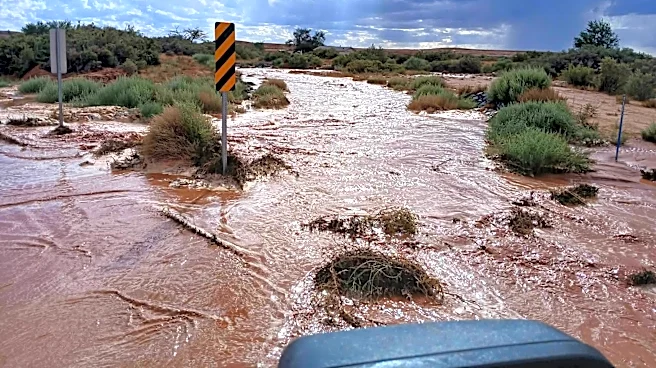
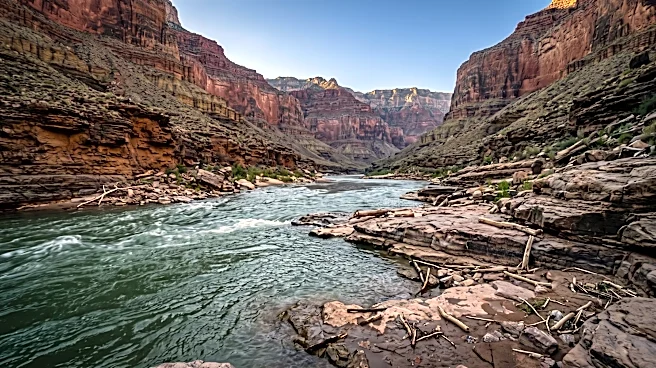
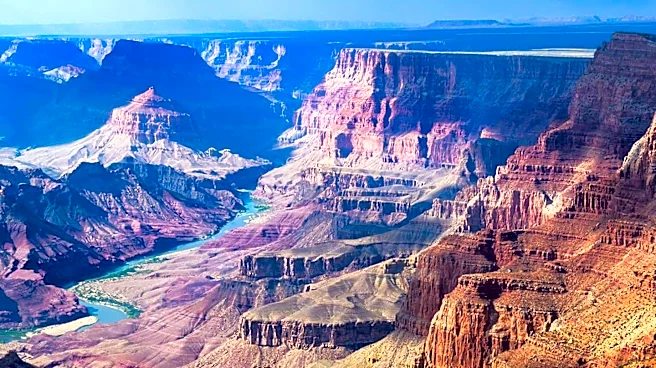
two companions, Brent Rosenkranz, 42, and John Giusti, 46, both from Granbury, Texas. The remains of Rosenkranz and Giusti were found earlier. Smith's remains were discovered Monday near Crystal Rapids on the Colorado River. The flooding, which began on August 29 during the summer monsoon season, devastated the Phantom Ranch area at the canyon bottom and damaged the water pipeline serving the South Rim. More than 80 people were rescued during the two-day deluge, which utilized night vision and other equipment, as well as the Grand Canyon National Park's permit system to track missing individuals. The Coconino County medical examiner confirmed Smith's identity.
Why It's Important?
The confirmation of Timothy Allen Smith's death brings a tragic close to the search efforts following the severe flash flooding in the Grand Canyon, underscoring the extreme dangers posed by natural disasters in national parks. This incident highlights the vulnerability of even experienced hikers and the rapid, destructive power of flash floods in arid environments, particularly in burn areas where vegetation loss exacerbates runoff. The damage to the water pipeline serving the South Rim also reveals critical infrastructure vulnerabilities within national parks, impacting tourism and essential services. The event serves as a stark reminder for visitors to exercise extreme caution and heed warnings, emphasizing the need for robust emergency response systems and infrastructure resilience in popular natural attractions.
What's Next?
With the identification of Timothy Allen Smith, the immediate search and rescue operations related to this specific flooding event are concluded. However, the Grand Canyon National Park will continue its efforts to restore the damaged water pipeline, which is crucial for the South Rim's operations and visitor services. Many hiking trails and lodging areas remain closed, and water advisories are in effect for inner canyon hikers, urging them to carry their own water or filtration devices. Park officials will likely continue to assess and repair infrastructure damage, and there may be ongoing reviews of safety protocols and warning systems to mitigate risks from future flash floods, especially given the increasing frequency and intensity of extreme weather events.
Beyond the Headlines
This tragedy extends beyond the immediate loss of life, raising broader questions about the impact of climate change on national parks and the safety of outdoor recreation. The mention of the flooding occurring in a North Rim burn area from a previous wildfire highlights the compounding effects of environmental degradation, where one natural disaster can exacerbate the risks of another. This interconnectedness underscores the need for comprehensive land management strategies that consider climate resilience. Furthermore, the incident prompts reflection on the psychological toll on search and rescue teams and the families of victims, as well as the delicate balance between providing access to natural wonders and ensuring visitor safety in increasingly unpredictable environmental conditions.