






What's Happening?
Caribbean nations are actively pursuing a 'blue energy' future, leveraging their extensive maritime resources to enhance renewable energy generation and achieve sustainable development. Kiesha Farnum, Head of Partnerships and Programmes at the Caribbean Centre
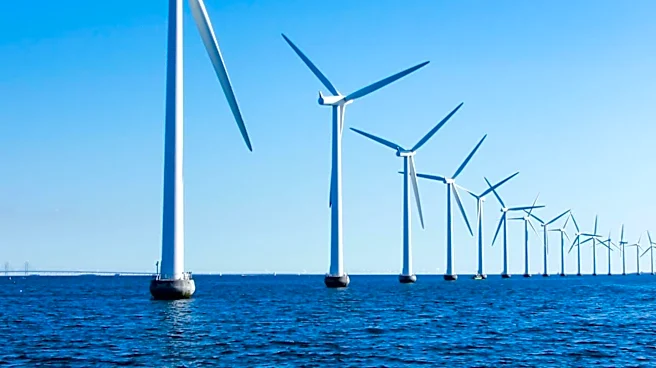
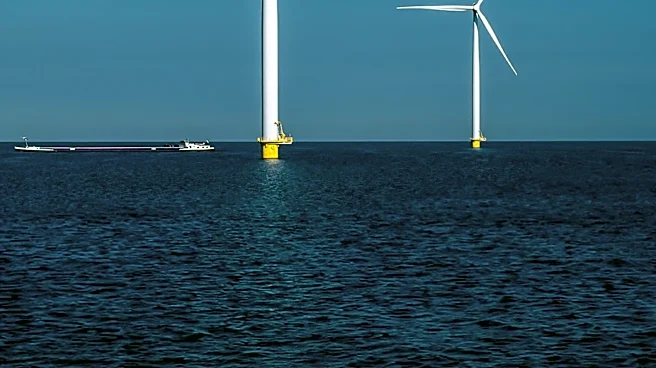
for Renewable Energy and Energy Efficiency (CCREEE), highlighted these efforts at COP31. The region is focusing on three key initiatives: the Regional Offshore Wind Strategy and Roadmap (ROWSAR), the EUROCLIMA Caribbean Multi-Country Action Plan for Wave Energy, and the Greening Caribbean Ports Programme (GCPP). ROWSAR, supported by the UK's FCDO and IDB, has assessed offshore wind potential across 21 countries, identifying five priority nations for further exploration and aiming to establish a Lighthouse Project. The EUROCLIMA program, backed by the EU and UNDP, is evaluating wave energy potential in several islands, focusing on scientific evidence, technological readiness, and financial viability. The GCPP, led by CCREEE and PMAC with Spanish Cooperation funding, aims to decarbonize Caribbean ports through energy assessments, infrastructure diagnostics, and the development of transition roadmaps. These initiatives emphasize investment in people, institutional partnerships, and regional expertise to translate opportunities into viable projects, ensuring a just and inclusive transition that benefits local communities, women, and youth.
Why It's Important?
The Caribbean's push for blue energy is significant for several reasons, particularly in the context of global energy transitions and climate resilience. For the U.S., a stable and energy-secure Caribbean region is vital for regional security and economic partnerships. The development of offshore wind and wave energy can reduce the Caribbean's reliance on imported fossil fuels, which often originate from international markets, thereby enhancing energy independence and economic stability in a region critical for U.S. trade and tourism. Furthermore, the decarbonization of Caribbean ports, a key objective of the GCPP, aligns with global efforts to reduce shipping emissions, which has direct implications for international supply chains and environmental standards that the U.S. also adheres to. The emphasis on building local expertise and ensuring an inclusive transition can foster sustainable economic growth, potentially reducing migration pressures and strengthening regional governance. This regional energy transformation also presents opportunities for U.S. companies in renewable energy technology, infrastructure development, and consulting services, fostering economic collaboration and innovation.
What's Next?
The next steps for the Caribbean's blue energy initiatives involve moving from feasibility assessments and strategic roadmaps to concrete project implementation and investment. For ROWSAR, the focus will be on advancing the identified Lighthouse Project to demonstrate offshore wind potential and attract further investment. The EUROCLIMA wave energy program will continue to gather scientific evidence and assess technological and financial viability to determine wave energy's role in the regional energy mix. The GCPP will proceed with detailed energy and emissions assessments for selected ports, developing specific decarbonization roadmaps and exploring potential interventions like shore power and renewable energy integration. Continued international partnerships and funding will be crucial for scaling these initiatives. The region will also focus on strengthening institutional capacity, aligning policies, and developing monitoring frameworks to track progress. Furthermore, there will be an ongoing emphasis on training and empowering local populations, including women and youth, to participate in and lead these emerging blue economy sectors, ensuring long-term sustainability and local ownership of the energy transition.
Beyond the Headlines
The Caribbean's blue energy transition extends beyond mere energy generation; it represents a holistic approach to sustainable development that integrates economic, social, and environmental dimensions. The focus on marine resources underscores a broader recognition of the ocean's role not just as a vulnerable ecosystem but as a critical solution provider for climate change and economic diversification. Ethically, this approach prioritizes a 'just transition,' ensuring that the benefits of new energy industries are shared equitably and that vulnerable communities are not left behind. This includes creating new job opportunities, fostering local expertise, and considering the impact on traditional maritime sectors. Legally, the development of offshore energy resources will necessitate robust regulatory frameworks for ocean governance, environmental protection, and resource allocation within Exclusive Economic Zones. Culturally, it reinforces the deep connection Caribbean people have with the ocean, transforming it from a source of livelihood and identity into a foundation for future prosperity and resilience. This integrated strategy could serve as a model for other Small Island Developing States (SIDS) globally, demonstrating how to leverage unique geographical advantages for sustainable development in the face of climate change.