







What's Happening?
The body of a 16-year-old boy, who had been missing since going underwater in Gun Lake last Wednesday, was recovered Friday morning by search crews. The recovery operation, led by Michigan State Police (MSP), concluded after more than 36 hours of intensive
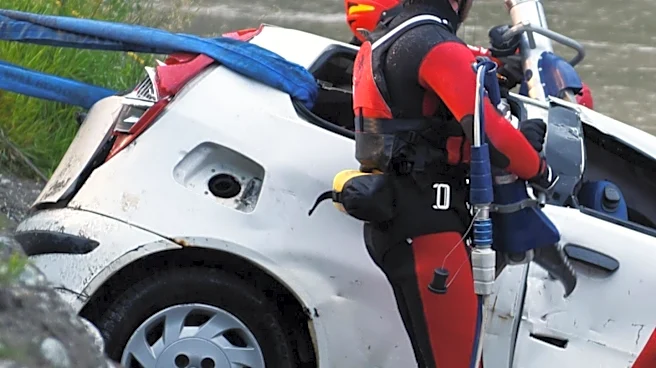
searching. Sgt. Carlos Fossati Jr., acting system post commander with the MSP Wayland Post, indicated that improved water clarity was a significant factor in locating the teenager. This clarity was partly attributed to the community's cooperation in adhering to requests to keep boats off the lake, which prevented sediment from being stirred up. The teenager's family, residents of Michigan, was visiting Gun Lake for recreational activities when the tragic incident occurred. A wide array of agencies contributed to the search efforts, including the Orangeville Township Fire Department, Yankee Springs Fire Rescue, MSP Marine Services Team, Michigan Department of Natural Resources (DNR), the Barry County Sheriff's Office, Allegan County Sheriff's Office, and Great Lakes Rescue. Search operations involved numerous boats, dive teams, drones, and a helicopter, focusing around Orangeville Island in the southern part of the lake. The investigation into the circumstances surrounding the drowning is currently ongoing.
Why It's Important?
This tragic incident underscores the inherent dangers associated with recreational water activities, even in popular local destinations like Gun Lake. The recovery operation highlights the critical role of inter-agency cooperation and the extensive resources required for such complex search and rescue missions. The involvement of multiple county agencies, as noted by Sgt. Fossati, demonstrates the reliance of rural communities on mutual aid and shared resources during emergencies. For the community, the event represents a profound loss and serves as a somber reminder of the importance of water safety awareness and vigilance, particularly concerning young individuals. While no one gains from such a tragedy, the coordinated efforts of emergency services provide a measure of closure for the grieving family. The community's respect for the search teams' request to avoid the lake also illustrates a collective understanding and empathy during a difficult time, showcasing local solidarity in the face of adversity.
What's Next?
As the investigation into the drowning is ongoing, authorities will continue to gather information to fully understand the circumstances that led to the teenager's death. The Michigan State Police Wayland Post has issued a public appeal, asking anyone who witnessed the incident or possesses relevant information to contact them. This indicates that further details may emerge as the inquiry progresses, potentially shedding light on specific factors involved. For the family, the immediate next steps will involve dealing with the profound grief and making arrangements following the recovery of their loved one. In the broader community, this incident may prompt renewed discussions about water safety protocols, supervision practices, and emergency response preparedness in recreational areas like Gun Lake, especially as summer recreational seasons continue. Local authorities and community groups might review existing safety guidelines or consider implementing new awareness campaigns to prevent future tragedies.
Beyond the Headlines
The recovery of the teenager's body from Gun Lake extends beyond a mere news report, touching upon deeper societal and emotional dimensions. It serves as a stark reminder of the fragility of life and the unpredictable nature of recreational activities, prompting reflection on personal responsibility and collective safety. The extensive, multi-agency search effort highlights the dedication and emotional toll experienced by first responders, who often work tirelessly under challenging conditions to bring closure to families. Culturally, such events often galvanize communities, fostering a sense of shared grief and mutual support, as evidenced by the public's cooperation during the search. Ethically, it implicitly raises questions about the balance between freedom of recreation and the implementation of safety measures, particularly in unsupervised natural environments. The incident also underscores the psychological impact of such tragedies on families, friends, and the wider community, leaving a lasting imprint that transcends the immediate news cycle.