






What's Happening?
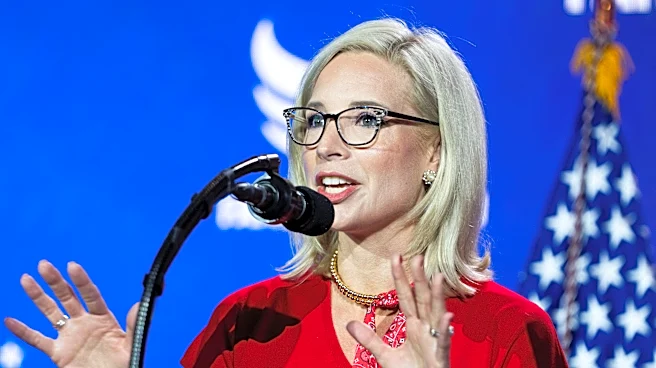
U.S. Rep. Lauren Boebert is refuting a recently filed ethics complaint that alleges she had romantic and sexual relationships with three of her staffers and subsequently paid them for their silence. The complaint was submitted by David B. Wheeler on behalf
of the political action committee American Muck-rakers. Boebert and her office contend that the filing does not meet the procedural requirements for ethics complaints against political candidates under House Ethics Committee rules. Specifically, they cite Rule 15, which requires a sitting House member to certify in writing that a non-member’s submission is made in good faith, and also bars complaints filed within 60 days of an election in which the member is running. The complaint was filed on September 17, falling within this 60-day window before the November 3 election. Both Boebert and Clarice Navarro, one of the named staffers, have denied the allegations, with Navarro calling them 'entirely false, defamatory, and beyond ridiculous.' Boebert's office issued a statement on September 20, labeling the filing a 'politically motivated stunt' timed weeks before ballots are distributed.
Why It's Important?
This ethics complaint against U.S. Rep. Lauren Boebert carries significant implications for her political standing and the integrity of the U.S. House of Representatives. If the allegations were substantiated, they could lead to an investigation by the House Ethics Committee, potentially resulting in sanctions or a loss of public trust. The timing of the complaint, weeks before an election, suggests a strategic political maneuver, which could influence voter perception and the outcome of her re-election campaign. The denial by Boebert and her office, coupled with their challenge to the complaint's procedural validity, highlights the contentious nature of political ethics and the mechanisms in place to address such claims. The involvement of a political action committee like American Muck-rakers underscores the role of external groups in scrutinizing and influencing political figures, particularly during election cycles. The situation also brings into focus the rules governing staff conduct and relationships within congressional offices, emphasizing the need for clear ethical guidelines to prevent potential abuses of power or conflicts of interest.
What's Next?
The immediate next step involves the House Ethics Committee's determination on the procedural validity of the complaint against U.S. Rep. Lauren Boebert. If the committee upholds Boebert's argument regarding Rule 15, the complaint may not proceed to a formal investigation. However, if the committee finds the complaint procedurally sound, it could initiate an inquiry into the allegations. Given the proximity to the election, any decision by the committee will likely be scrutinized for its potential political impact. Major stakeholders, including Boebert's political opponents and advocacy groups, will likely continue to monitor the situation closely, potentially using any developments to influence public opinion. The outcome of this procedural challenge will set a precedent for how similar ethics complaints are handled in the future, especially those filed close to an election. Public and media attention will remain on Boebert's campaign as she navigates these allegations while seeking re-election.
Beyond the Headlines
Beyond the immediate political ramifications, this ethics complaint against U.S. Rep. Lauren Boebert touches upon deeper issues concerning accountability, transparency, and the ethical conduct expected of public officials. The allegations, regardless of their veracity, contribute to a broader narrative about the challenges of maintaining ethical standards in a highly polarized political environment. The dispute over the procedural validity of the complaint highlights the complexities of House Ethics Committee rules and how they can be interpreted or leveraged in political contests. This situation could prompt discussions about potential reforms to these rules, particularly concerning the timing of complaints relative to elections, to prevent their weaponization for political gain. Furthermore, the incident underscores the ongoing scrutiny faced by public figures regarding their personal and professional relationships, especially with staff, and the potential for such relationships to become subjects of public and ethical concern. It also reflects the persistent role of 'muckraking' organizations in attempting to hold politicians accountable, even if their methods and claims are sometimes disputed.