



What's Happening?
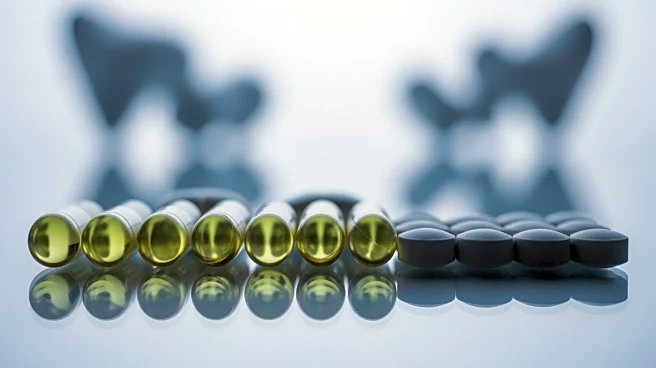
Despite pressure from the Trump administration to lower drug prices, pharmaceutical companies are set to increase prices on at least 350 branded medications in the U.S. These include vaccines for COVID-19, RSV, shingles, and cancer treatments. The price hikes,
averaging around 4%, are part of a broader trend of rising drug costs, although some companies have agreed to price cuts for specific drugs under government programs. The increases come as drugmakers negotiate discounts with insurers and set different prices for direct-to-consumer sales.
Why It's Important?
The price increases highlight the ongoing challenge of managing prescription drug costs in the U.S., where patients pay significantly more than in other developed countries. The Trump administration's efforts to negotiate lower prices for government programs have had limited impact on overall pricing strategies. The situation underscores the complexity of the pharmaceutical market, where list prices, rebates, and discounts create a multifaceted pricing landscape. The increases may exacerbate public and political pressure for more comprehensive reforms to address high drug costs.
What's Next?
As drugmakers continue to adjust prices, the Trump administration and Congress may face increased calls for regulatory action to control drug costs. The pharmaceutical industry is likely to encounter heightened scrutiny and potential policy changes aimed at increasing transparency and reducing prices. The outcome of these efforts will be critical in determining the future of drug pricing and access in the U.S., with implications for patients, insurers, and the healthcare system as a whole.