




What's Happening?
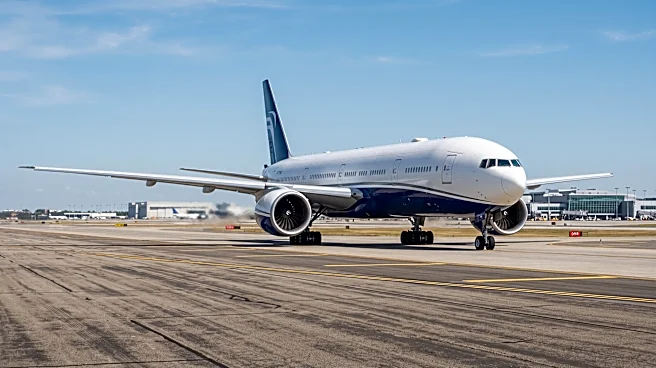
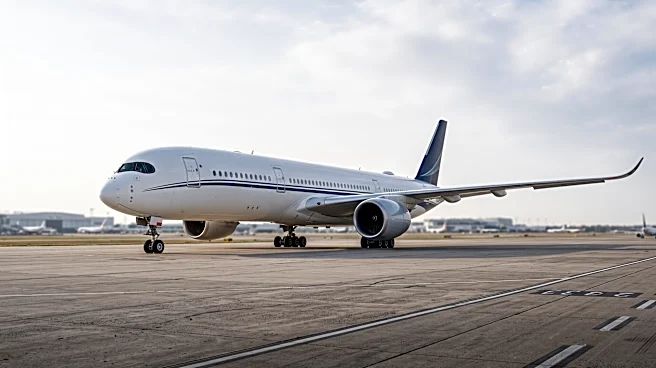
The Federal Aviation Administration (FAA) issued a nationwide ground stop for all departing flights on Friday due to unspecified 'extraordinary circumstances and for reasons of safety.' This directive required all departing aircraft to remain grounded,
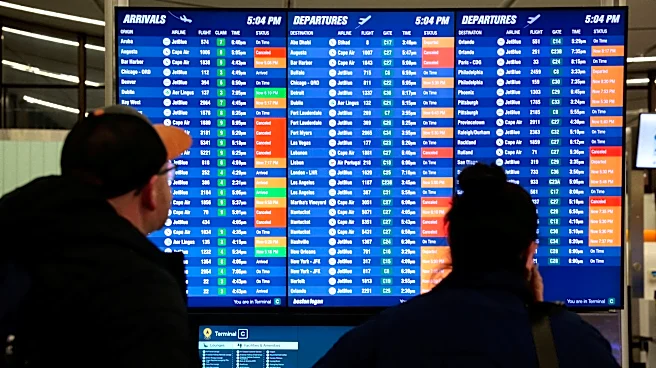
while inbound international flights were to be managed on a case-by-case basis. Nashville International Airport (BNA) promptly advised travelers to contact their respective airlines for updates on flight statuses before heading to the airport. The FAA's advisory did not provide specific details regarding the underlying circumstances that necessitated the ground stop. This event marks a significant disruption to air travel across the United States. The FAA typically posts broader operational information on its National Airspace System status page for public reference.
Why It's Important?
A nationwide ground stop has significant implications for air travel, the economy, and public confidence in aviation systems. For travelers, it means widespread delays and cancellations, leading to missed connections, disrupted plans, and potential financial losses. Airlines face substantial operational challenges, including re-routing crews, managing aircraft, and accommodating stranded passengers, which can result in considerable economic costs. The broader U.S. economy, heavily reliant on efficient air cargo and business travel, experiences ripple effects from such disruptions. Furthermore, the lack of immediate detail from the FAA regarding the 'extraordinary circumstances' can raise concerns about national security or critical infrastructure vulnerabilities, potentially impacting public trust. This event underscores the fragility of complex air traffic control systems and the need for robust contingency plans to mitigate widespread disruptions.
What's Next?
Travelers affected by the ground stop are strongly advised to continue checking with their airlines for the most current information regarding their specific flights. The FAA will likely provide further updates on the National Airspace System status page as the situation evolves and the ground stop is lifted. Airlines will then face the complex task of rescheduling flights and accommodating a large volume of delayed passengers, which could lead to continued disruptions for several hours or even days after the ground stop is resolved. Investigations into the 'extraordinary circumstances' that led to this nationwide action are expected to follow, potentially leading to new protocols or technological upgrades to prevent similar incidents in the future. The incident may also prompt discussions among aviation authorities and policymakers regarding the resilience and security of national air traffic control systems.
Beyond the Headlines
This nationwide ground stop, while disruptive, highlights the critical role of air traffic control in maintaining the safety and efficiency of the U.S. airspace. It serves as a stark reminder of the potential vulnerabilities within highly interconnected technological systems. The 'extraordinary circumstances' mentioned by the FAA could range from cyber threats to technical malfunctions or even unforeseen environmental factors, each carrying different long-term implications for aviation security and infrastructure investment. The incident also brings to light the psychological impact on travelers, who often experience anxiety and frustration during such events, underscoring the human element in large-scale logistical disruptions. From a policy perspective, this event could catalyze renewed focus on modernizing air traffic control systems and enhancing cybersecurity measures to safeguard against future interruptions, ensuring the continued reliability of air travel as a cornerstone of national commerce and connectivity.