


What's Happening?
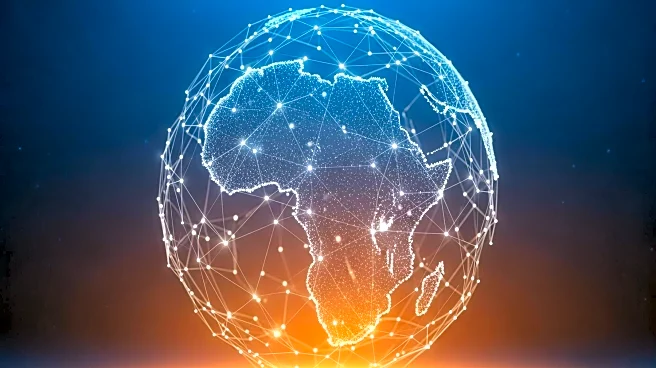
Since its launch in Africa in 2015, Facebook has become a central platform for communication, news, and business operations across the continent. By 2025, it has established itself as a dominant force in Africa's digital ecosystem, despite competition
from platforms like TikTok. The platform's low data consumption and integration with WhatsApp have contributed to its widespread use. Egypt and Nigeria lead in user numbers, with significant penetration rates. South Africa, Morocco, and Tunisia also show strong adoption, driven by urban connectivity and smartphone penetration. However, some countries like South Sudan and Eritrea have restricted access due to political tensions.
Why It's Important?
Facebook's growth in Africa highlights the platform's role in shaping communication and business practices on the continent. It serves as a critical tool for political mobilization, small business marketing, and media distribution. The platform's influence extends to economic and political spheres, driving small business growth and amplifying civic movements. However, the restrictions in some countries underscore the challenges of balancing digital freedom with national regulation. Facebook's presence in Africa is a testament to the continent's digital transformation and the potential for technology to drive economic and social change.