






What's Happening?
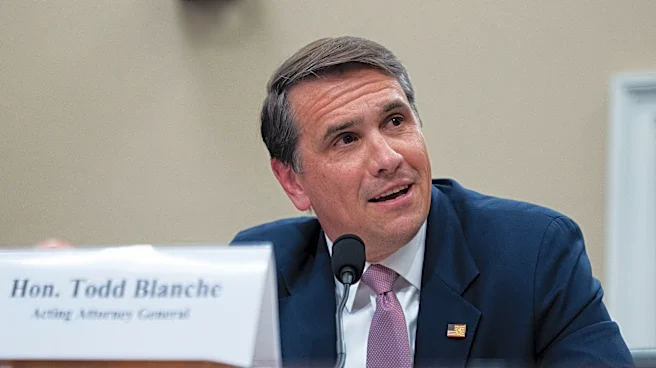
The Trump administration has officially informed federal courts that it is abandoning the controversial $1.8 billion 'anti-weaponization' fund. This decision comes after widespread criticism and legal challenges, including concerns that the fund could
serve as a slush fund for President Trump's allies. The Justice Department has argued that the lawsuits challenging the fund should be dismissed as moot since the program is not proceeding. Despite mixed signals from President Trump about the fund's future, the Justice Department's filings represent the first formal acknowledgment that the administration is no longer pursuing the fund. A federal judge in Virginia had previously blocked the administration from setting up the fund, allowing time for a lawsuit seeking to terminate the program to be reviewed. The fund was initially part of a settlement between the Internal Revenue Service and Trump, his sons, and the Trump Organization, following a lawsuit over leaked tax returns.
Why It's Important?
The abandonment of the 'anti-weaponization' fund is significant as it highlights the ongoing legal and political challenges faced by the Trump administration. The fund had been a point of contention, with concerns that it lacked proper oversight and could potentially benefit individuals involved in the January 6 Capitol riot. The decision to drop the fund reflects the administration's response to bipartisan criticism and legal scrutiny. This development also underscores the complexities of managing public funds and the importance of transparency and accountability in government programs. The move may impact the administration's legislative agenda, particularly in areas where bipartisan support is crucial.
What's Next?
With the fund officially abandoned, the focus may shift to other legislative priorities, such as immigration funding. The decision could influence ongoing negotiations in Congress, where some Republicans had stalled on considering an immigration bill until the fund was dropped. The administration's next steps will likely involve addressing other legal challenges and maintaining support for its legislative initiatives. The Justice Department's stance on the fund may also set a precedent for how similar programs are handled in the future, emphasizing the need for clear guidelines and oversight.