




What's Happening?
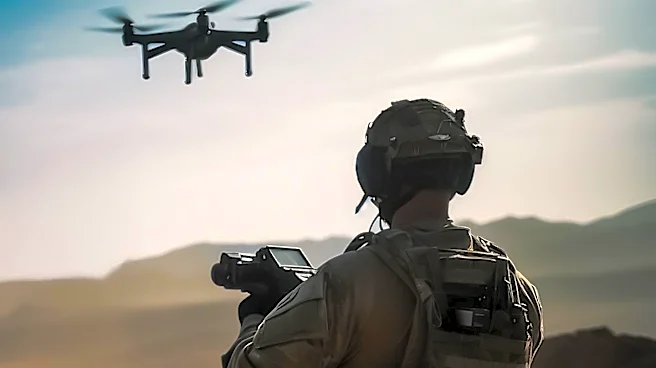
Between November 1 and 10, Ukraine’s Defense Forces neutralized 3,068 out of 3,519 attack drones launched by Russian forces, according to the General Staff of the Armed Forces of Ukraine. These drones included Shahed, Gerbera, and Parodiya models. The General Staff reported
that 1,695 of the launched drones were jet-powered, with Ukrainian air defenses shooting down 1,406 of them. Additionally, 1,662 of the 1,824 standard Shahed drones were intercepted. The General Staff emphasized that these thousands of drones did not reach their intended targets, highlighting the continuous improvement of Ukrainian air defenses in implementing new countermeasures and expanding capabilities to prevent enemy drones from hitting their objectives.
Why It's Important?
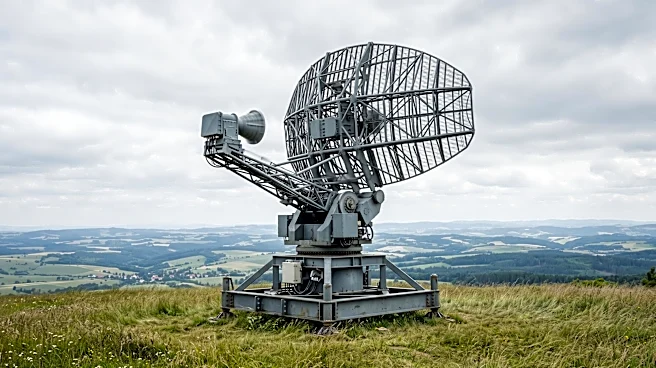
The high rate of Russian drone neutralization by Ukrainian forces underscores the ongoing intensity of aerial warfare and the critical role of air defense systems in modern conflicts. For the U.S. and its allies, this demonstrates the effectiveness of military aid and technological support provided to Ukraine, particularly in enhancing its air defense capabilities. The continuous adaptation by both sides—Russia seeking new ways to breach defenses and Ukraine improving countermeasures—highlights the dynamic nature of military technology and tactics. This situation also provides valuable insights for U.S. defense strategists regarding drone warfare, counter-drone technologies, and the resilience of air defense networks against persistent aerial threats. The ability to neutralize a significant majority of incoming drones can mitigate damage to critical infrastructure and civilian areas, thereby influencing the morale and operational capacity of both combatants.
What's Next?
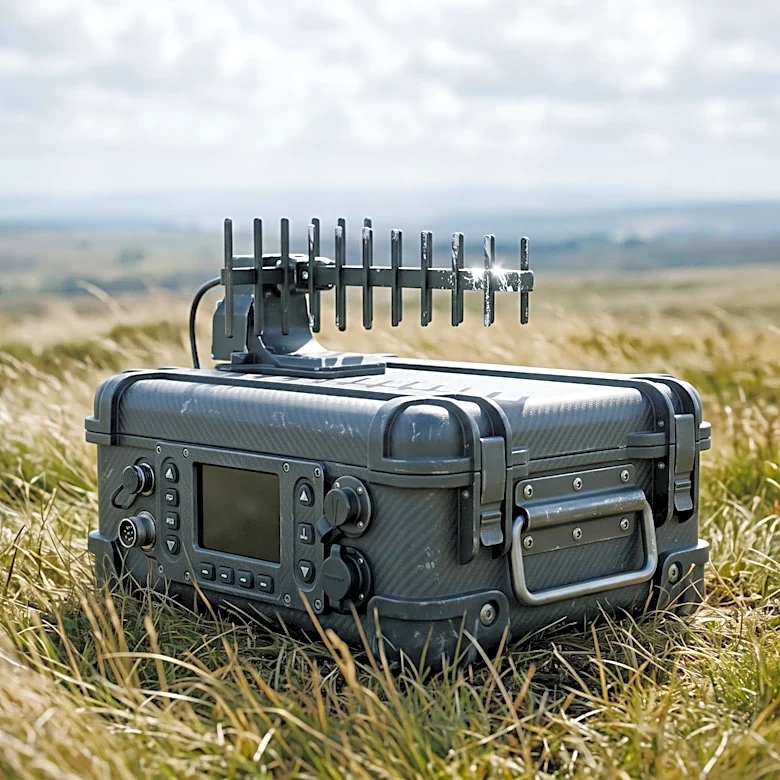
The ongoing efforts by Russian forces to find new methods to bypass Ukrainian defenses suggest a continued evolution in drone attack strategies. Consequently, Ukraine will likely persist in enhancing its air defense systems, potentially seeking further technological assistance and advanced weaponry from international partners, including the U.S. This could involve the deployment of more sophisticated counter-UAV technologies, electronic warfare systems, and integrated air defense networks. The continuous adaptation and counter-adaptation cycle between offensive drone capabilities and defensive measures will remain a key aspect of the conflict. Future developments may include increased focus on drone swarm tactics by Russia and advanced AI-driven interception systems by Ukraine, further shaping the landscape of modern aerial combat.
Beyond the Headlines
The extensive use and neutralization of drones in the conflict raise broader implications for global military doctrines and defense spending. The effectiveness of Ukraine's air defenses against a large volume of diverse drone types could influence how other nations, including the U.S., prioritize investments in counter-drone technologies and air defense infrastructure. This conflict serves as a real-world laboratory for testing and refining these systems, offering lessons that could reshape future military procurement and strategic planning. Furthermore, the sheer scale of drone deployment highlights the increasing accessibility and lethality of unmanned aerial vehicles, posing significant challenges for conventional air defense strategies and potentially leading to a re-evaluation of airspace security protocols worldwide. The ethical considerations surrounding autonomous weapons systems and the proliferation of drone technology also become more pertinent as these capabilities advance.