


What's Happening?
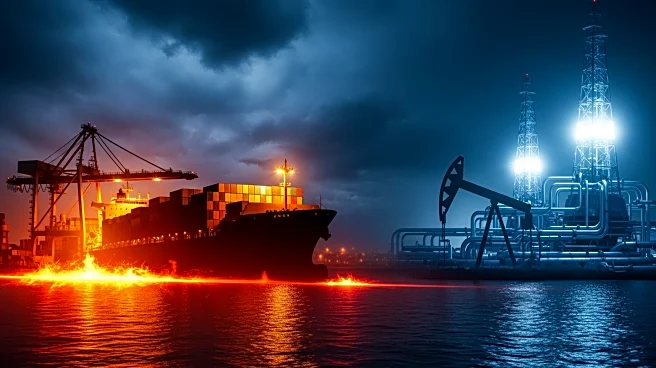
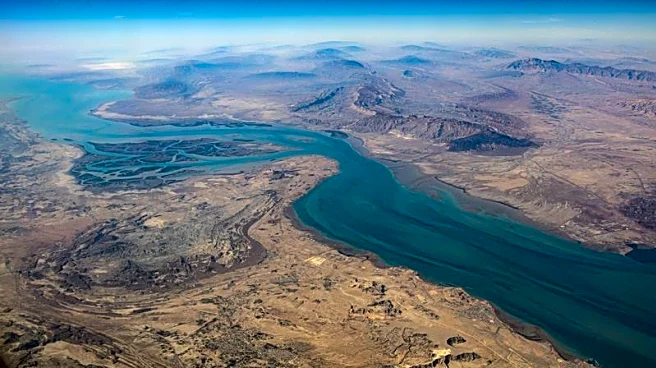
Iran has closed the Strait of Hormuz, a critical oil shipping channel, following attacks from the US and Israel. This closure has led to a significant increase in global energy prices, with crude oil and natural gas prices rising sharply. The closure is expected
to disrupt the supply of key food commodities such as soybean oil, wheat, corn, dairy, and seafood. Soybean oil prices are particularly affected due to their correlation with energy prices. The disruption in trade routes is also expected to impact the import of grains and dairy products, with potential shortages in skimmed milk powder. The seafood sector is facing challenges due to halted shipments, affecting imports in the Middle East and North Africa.
Why It's Important?
The closure of the Strait of Hormuz has far-reaching implications for global food security and economic stability. The rise in energy prices will increase production and transportation costs for food and beverage companies, potentially leading to higher consumer prices. The disruption in trade routes could lead to shortages of essential food commodities, affecting food availability and prices globally. The situation highlights the vulnerability of global supply chains to geopolitical tensions and the need for diversified trade routes and energy sources. The impact on the Middle East, a key region for global food trade, could have ripple effects on food security and economic stability in Asia and Europe.
What's Next?
If the Strait of Hormuz remains closed, prolonged disruptions in energy and food supply chains are expected. Companies may need to reroute shipments, increasing transportation costs and transit times. The situation could lead to a shortage of ships and further strain on global supply chains. Stakeholders, including governments and businesses, may need to explore alternative trade routes and energy sources to mitigate the impact. The ongoing geopolitical tensions could lead to further volatility in global markets, requiring coordinated international efforts to ensure food security and economic stability.