






What's Happening?
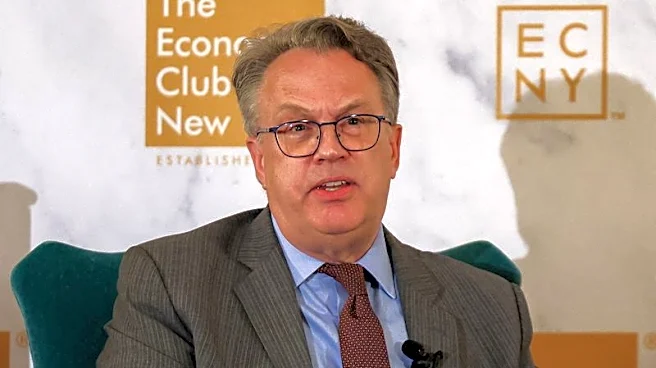
Grand Forks, North Dakota, is experiencing mixed perspectives on its economic and population growth. While city officials are optimistic about future expansion, some experts, like David Flynn, an economics professor at the University of North Dakota, express
caution. The city has seen a 12% population increase from 2010 to 2020, but this growth lags behind other major cities in the state. Economic growth is also under scrutiny, with concerns that high sales tax revenue may not reflect real growth when adjusted for inflation. The agriculture industry's volatility and low average earnings in Grand Forks add to the economic challenges.
Why It's Important?
The economic outlook for Grand Forks is crucial for local businesses, residents, and policymakers. While some see potential for growth through new housing projects and developments in the agribusiness sector, others worry about the sustainability of this growth amid inflation and economic volatility. The city's ability to attract and retain residents and businesses will impact its long-term economic health. Addressing inflation and ensuring real economic growth are essential for maintaining the city's competitiveness and quality of life.
What's Next?
Grand Forks plans to continue its growth initiatives, including housing developments and agribusiness projects. City leaders are considering measures like eliminating local property taxes to attract new residents. However, the city must also address challenges such as inflation and low average earnings to ensure sustainable growth. Policymakers and business leaders will need to collaborate on strategies to enhance economic resilience and support the community's needs.