






What's Happening?
Representative Jim Costa (CA-21) is scheduled to participate in an event in Washington D.C. next week, where he will engage in a discussion alongside Derric N. Pennington, representing Cargill, and other leaders from agribusiness, technology, research,
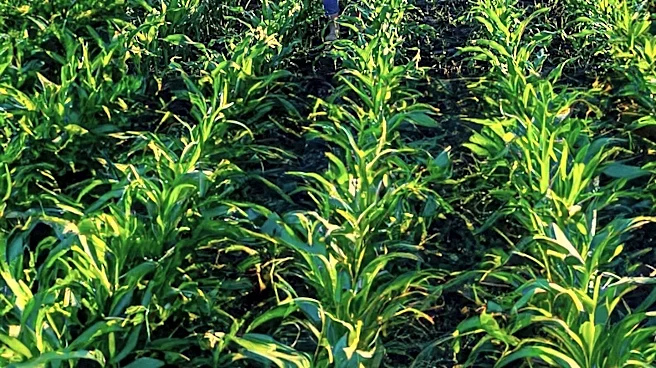
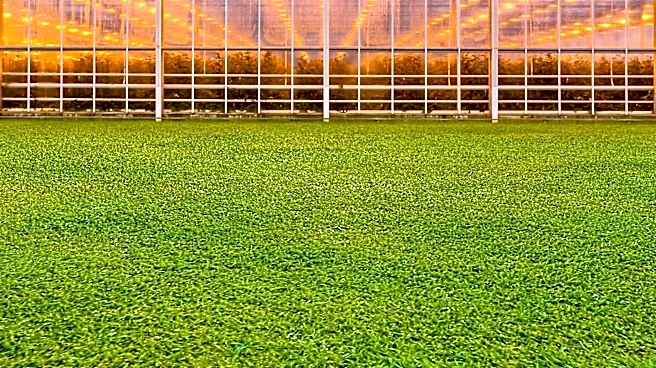
and policy sectors. The focus of this discussion will be on how various advancements are transforming food production. Key topics include crop science, precision agriculture, AI-driven analytics, water conservation, and biotechnology. The event will also explore the critical role of public-private partnerships in supporting farmers, strengthening rural communities, and fostering a more secure agricultural future. This gathering aims to bring together diverse perspectives to address current challenges and opportunities within the agricultural landscape, highlighting the intersection of policy, technology, and industry efforts.
Why It's Important?
This discussion is important for the U.S. agricultural sector and related industries as it brings together a U.S. Representative with agribusiness and technology leaders to address the future of food production. The emphasis on advancements like AI-driven analytics and biotechnology signals a move towards more efficient and sustainable farming practices, which could significantly impact food security and the economic viability of rural communities. Public-private partnerships, a central theme of the discussion, are crucial for leveraging resources and expertise from both government and the private sector to drive innovation and implement effective solutions. For farmers, these advancements could lead to increased yields, reduced costs, and improved environmental stewardship. For consumers, the long-term implications include a more stable and secure food supply. The involvement of a U.S. Representative underscores the policy implications and the potential for legislative support to facilitate these agricultural transformations, affecting national food policy and economic development.
What's Next?
The event itself serves as a platform for dialogue and the exchange of ideas among key stakeholders. Following the discussion, it is anticipated that the insights and recommendations generated will inform future policy decisions and investment strategies in the agricultural sector. The emphasis on public-private partnerships suggests potential for new collaborative initiatives aimed at implementing advanced agricultural technologies and supporting rural development. Stakeholders, including policymakers, agribusinesses, and technology firms, will likely use the outcomes of this discussion to refine their approaches to food production, sustainability, and economic support for farming communities. The ongoing integration of AI and biotechnology into agriculture is expected to continue, with further research and development efforts likely to be spurred by such high-level discussions.
Beyond the Headlines
Beyond the immediate discussions, this event highlights a broader trend towards the industrialization and technological advancement of agriculture, raising questions about the balance between large-scale corporate farming and the needs of small and medium-sized farms. The involvement of a major agribusiness like Cargill in discussions about public-private partnerships could spark debate regarding corporate influence on food policy and the allocation of taxpayer resources. Ethical considerations surrounding AI-driven analytics and biotechnology in food production, such as data privacy, genetic modification, and equitable access to new technologies, are also implicit in these conversations. The long-term shift towards a more technologically integrated agricultural system could redefine the role of farmers, the structure of rural economies, and the environmental footprint of food production, necessitating careful consideration of social and economic equity.