









What's Happening?
The United Arab Emirates (UAE) is actively enhancing global food security by providing an international platform for innovation and investment in the food sector, as stated by Ahmad Mukhtar, Representative of the Food and Agriculture Organization of the United Nations
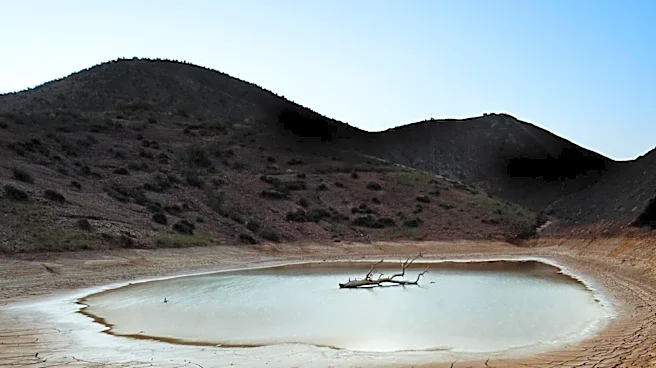
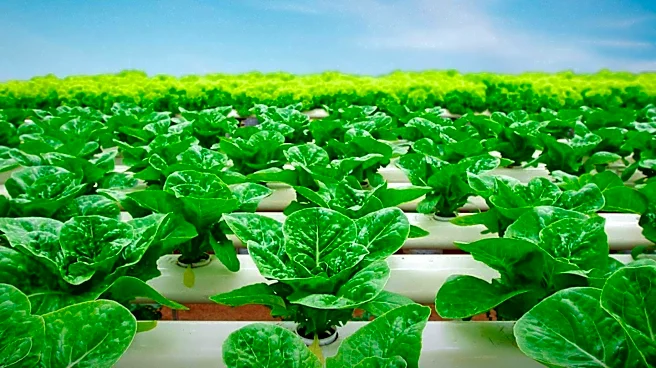
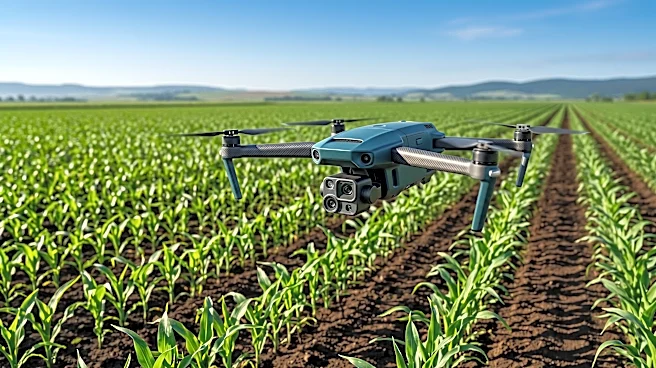
(FAO) in the UAE. Through hosting Global Food Week in Abu Dhabi, the UAE facilitates dialogue on agricultural innovation and knowledge exchange, particularly with countries facing challenges like water scarcity. The FAO is a key partner in this initiative, contributing to events such as the Global Food Security Summit and the Agritech program. Mukhtar emphasized the UAE's focus on leveraging technology and artificial intelligence to improve decision-making across the food value chain, from precise irrigation and early crop problem detection to better production planning. Digital tools are also being utilized to enhance demand forecasting and monitor storage and transport conditions to prevent spoilage. The goal is to make these technological solutions affordable and accessible, especially for small-scale producers, women, and young people, ensuring they lead to resource savings, reduced losses, and improved incomes.
Why It's Important?
The UAE's proactive role in fostering global food security through innovation and international cooperation is significant for several reasons. By creating a platform for dialogue and investment, the UAE is helping to accelerate the development and adoption of sustainable agricultural practices worldwide. This is particularly crucial for countries grappling with resource constraints, such as water scarcity, as it promotes knowledge sharing and the implementation of adaptable solutions. The emphasis on technology and AI in agriculture can lead to more efficient food production systems, reducing waste and increasing overall food availability. This initiative also highlights the importance of partnerships between international organizations like the FAO and national governments in addressing complex global challenges. The focus on making technology accessible to small-scale producers and vulnerable groups can help uplift rural economies and improve livelihoods, contributing to broader socio-economic stability and reducing food insecurity in vulnerable populations.
What's Next?
The ongoing collaboration between the UAE and FAO is expected to translate into more resilient food supplies and improved access to safe, nutritious, and affordable food globally. Future efforts will likely focus on strengthening partnerships, implementing practical solutions, and attracting investments that align with national priorities in food security. The UAE will continue to serve as a hub for connecting innovation experiences with countries facing similar agricultural challenges, facilitating knowledge exchange, and assessing the effectiveness of implemented solutions. There will be a continued push to integrate advanced technologies like AI and satellite information into agricultural practices, with an emphasis on ensuring these tools are supported by practical training and reliable infrastructure. The partnership will also continue to focus on sustainable agriculture, water efficiency, climate resilience, food safety, and fisheries, aligning with the UAE's National Food Security Strategy 2051.
Beyond the Headlines
Beyond the immediate goals of enhancing food security, the UAE's initiatives underscore a broader shift towards technology-driven solutions in addressing global challenges. This approach highlights the potential for nations with significant resources to act as catalysts for international cooperation and innovation, particularly in critical sectors like food production. The emphasis on making advanced technologies accessible to small-scale farmers also touches upon ethical considerations of equitable development and the democratization of technology. It suggests a model where technological advancements are not just for large corporations but are scaled down to empower individual producers, fostering inclusive growth. This collaborative framework could also serve as a blueprint for addressing other global issues, demonstrating how shared knowledge and investment can create sustainable solutions that benefit a wide range of stakeholders, from local farmers to international consumers, ultimately contributing to global stability and prosperity.