





What's Happening?
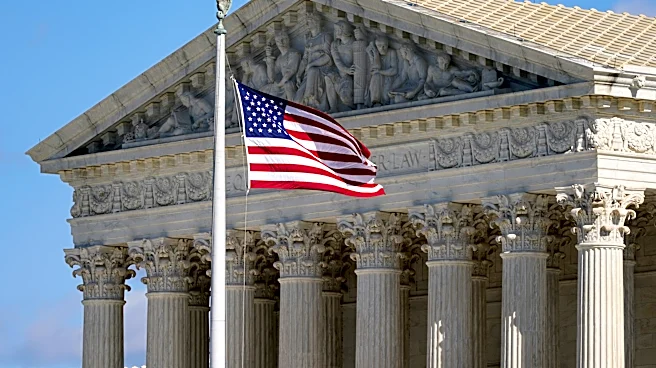
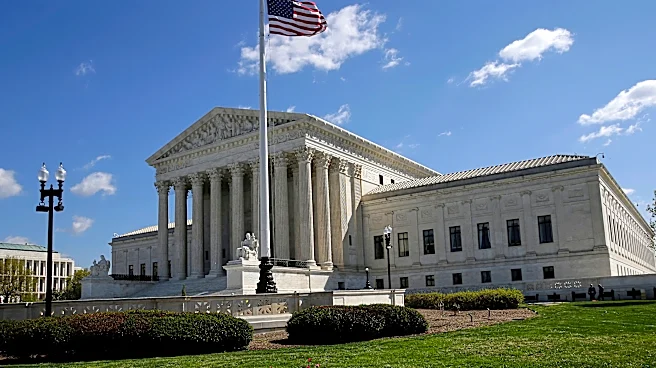
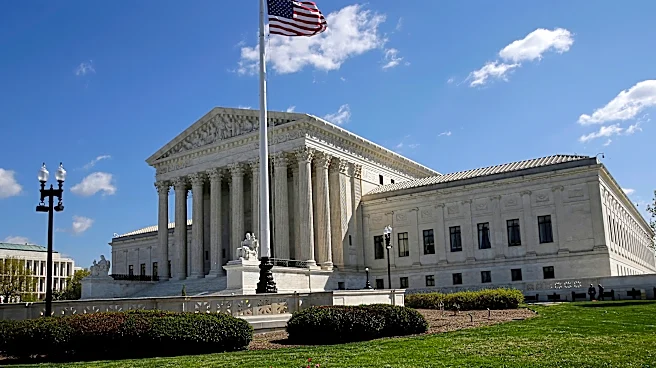
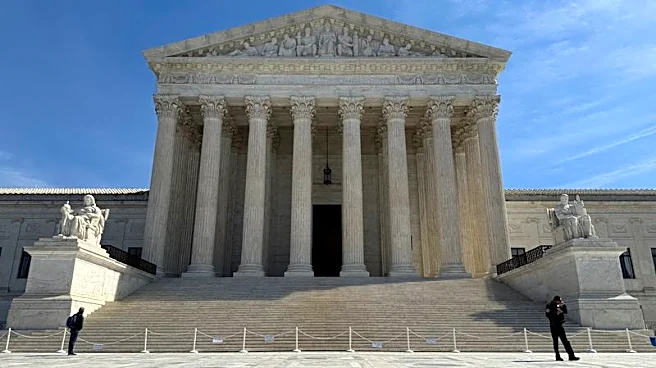
The Supreme Court has invalidated Louisiana's redrawn congressional map, a decision that could significantly influence the upcoming midterm elections and the broader national redistricting efforts. The court's 6-3 ruling found that the state's map, which
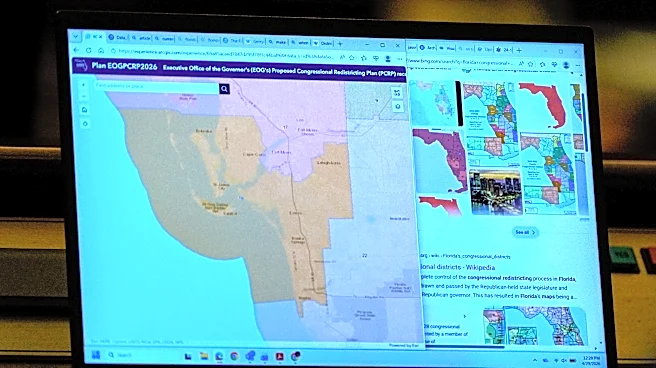
was mandated by a lower court to include a second Black-majority district under Section 2 of the Voting Rights Act, constituted an unconstitutional racial gerrymander. Louisiana Attorney General Liz Murrill expressed that the decision aligns the law with the Constitution, potentially affecting other states' redistricting plans.
Why It's Important?
This ruling is pivotal as it addresses the contentious issue of racial gerrymandering, which has been a significant point of debate in U.S. electoral politics. By striking down the map, the Supreme Court's decision may set a precedent that influences how states consider race in redistricting, potentially affecting the political landscape and representation of minority groups. The decision could lead to changes in how districts are drawn nationwide, impacting the balance of power in Congress and the representation of diverse communities.
What's Next?
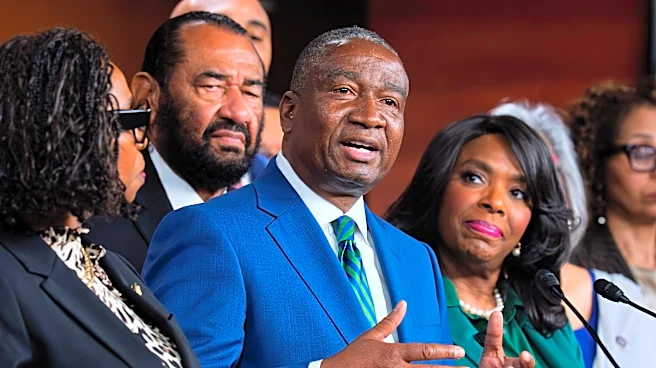
Following this decision, states with similar redistricting plans may need to reassess their maps to ensure compliance with the court's interpretation of the Voting Rights Act. This could lead to further legal challenges and adjustments in other states' districting efforts. Political parties and civil rights groups are likely to respond, either by challenging existing maps or advocating for new standards in redistricting processes.