




What's Happening?
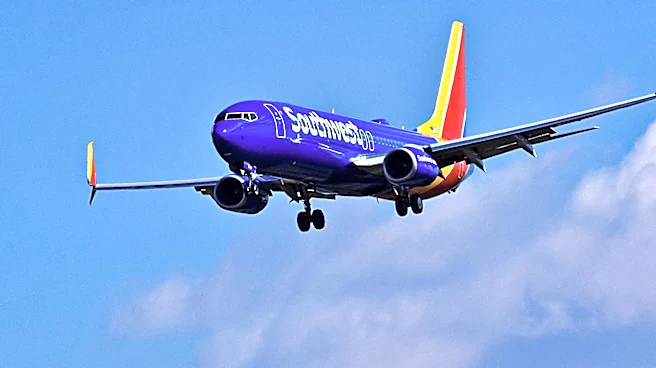
A North Texas district judge has issued a permanent injunction preventing Southwest Airlines from using any future social media posts by anti-abortion flight attendant Charlene Carter as grounds for disciplinary action or termination. This ruling is the
latest development in a nine-year legal battle between Carter, Southwest Airlines, and the Transport Workers Union, Local 556 (TWU556). Carter was fired in 2017 for sending graphic anti-abortion images to colleagues via Facebook, which Southwest deemed a violation of its social media policy and workplace bullying. A jury initially sided with Carter in 2022, awarding her over $5 million, later reduced to approximately $1 million. The court also ordered Southwest to rehire Carter with full seniority and instructed the airline to issue a corrected statement to all flight attendants clarifying that it cannot discriminate based on religious practices and beliefs, including those expressed on social media concerning abortion.
Why It's Important?
This ruling sets a significant precedent regarding employee rights to express religious beliefs, particularly on social media, and the limitations on employers' ability to discipline or terminate employees for such expressions. It underscores the complexities of balancing workplace conduct policies with religious freedom protections under Title VII of the Civil Rights Act. For Southwest Airlines, the injunction means a permanent restriction on monitoring and acting upon Carter's future social media content related to her religious views on abortion. For other employers, it highlights the potential legal risks associated with broadly enforcing social media policies that may infringe upon employees' protected religious expressions. The case also impacts labor unions, as TWU556 was also enjoined from seeking Carter's termination for future social media posts or for her resignation from the union.
What's Next?
While the court order aims to conclude the nearly decade-long legal dispute, its long-term implications for workplace policies and religious freedom remain to be seen. Southwest Airlines will need to ensure its internal policies and employee training align with the injunction, particularly concerning social media usage and religious expression. Other companies may review their own social media and conduct policies to avoid similar legal challenges. The case could also influence future litigation involving religious discrimination in the workplace, especially as social media continues to be a prominent platform for personal expression. The ruling emphasizes the need for clear distinctions between protected religious speech and conduct that genuinely constitutes workplace harassment or policy violations.
Beyond the Headlines
This case delves into the intricate intersection of religious freedom, free speech, and employer rights in the digital age. It raises questions about the extent to which employees can express deeply held beliefs, even if those beliefs are controversial or potentially offensive to some colleagues, without facing professional repercussions. The court's decision to protect future social media posts suggests a strong emphasis on safeguarding religious expression, potentially broadening the scope of what is considered protected speech in the workplace context. This could lead to increased scrutiny of corporate social media policies and a re-evaluation of how companies manage employee conduct outside of direct work duties, particularly when it touches upon sensitive social and political issues. The ruling also highlights the financial and reputational costs companies can incur in protracted legal battles over such matters.