








What's Happening?
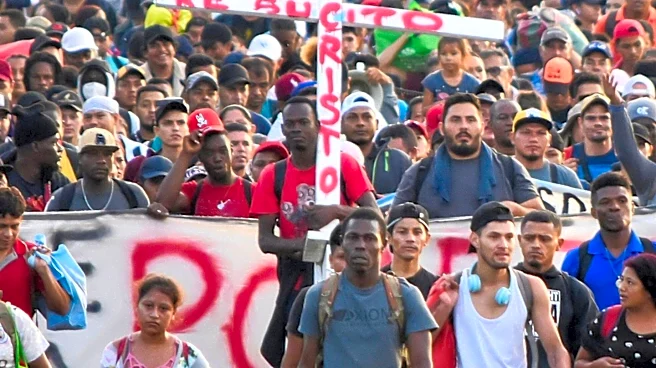
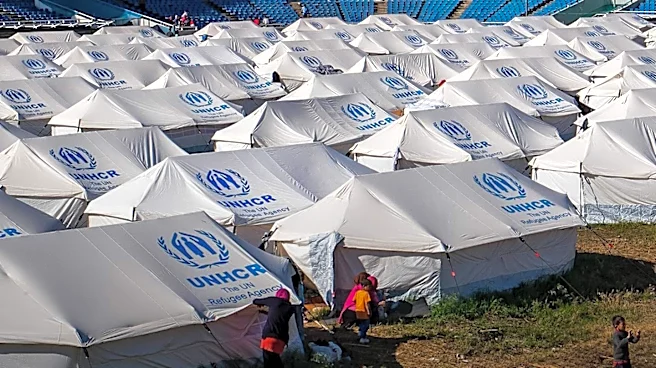
Ethiopia has launched a pioneering project aimed at transforming its refugee population into social and economic assets by providing improved access to education, healthcare, and employment. This initiative, known as Makatet, seeks to integrate over 1.1
million refugees, making them self-reliant and reducing dependency on humanitarian aid. The project is seen as a potential model for addressing global migration issues, as traditional approaches to refugee management are deemed obsolete. The initiative comes amid ongoing regional instability, with conflicts in Sudan and South Sudan contributing to the refugee influx into Ethiopia.
Why It's Important?
Ethiopia's approach represents a significant shift in refugee management, emphasizing integration and self-sufficiency over long-term aid dependency. This model could influence global policies on migration, offering an alternative to the often restrictive and hostile environments faced by refugees in other regions, such as Europe and the U.S. By potentially transforming refugees into contributing members of society, Ethiopia's plan addresses both humanitarian and economic challenges, setting a precedent for other nations grappling with similar issues. The success of this initiative could redefine international humanitarian strategies and improve the lives of millions displaced by conflict.
What's Next?
The international community will closely monitor the implementation and outcomes of Ethiopia's Makatet project. If successful, it could inspire similar initiatives worldwide, encouraging countries to adopt more inclusive and sustainable refugee policies. The project's progress will also depend on Ethiopia's political stability and its ability to manage regional conflicts that continue to drive refugee movements. As the situation evolves, stakeholders, including the UN and other humanitarian organizations, may increase support and collaboration to replicate this model in other regions facing migration crises.