






What's Happening?
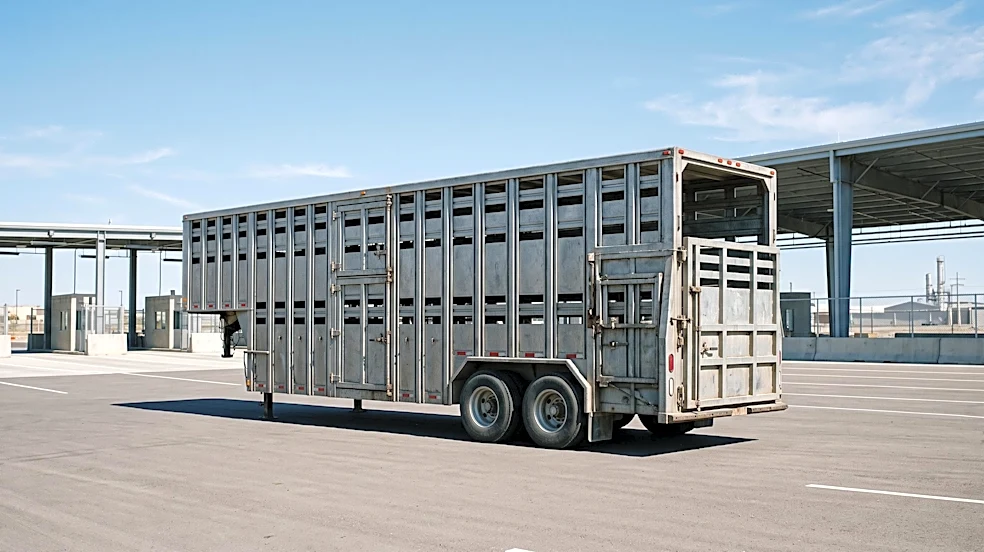
Cattle exports through the Agua Prieta, Sonora, border crossing are set to resume on October 20, following a temporary suspension. The National Service for Agro-Alimentary Public Health, Safety and Quality (Senasica) had halted exports after a calf at the border's
quarantine station was found with a blister-like lesion and sores on its muzzle. Initial concerns arose that these symptoms could indicate foot-and-mouth disease, a highly contagious viral disease affecting cloven-hoofed animals. However, tests conducted at high-security Senasica laboratories in Palo Alto, Mexico City, confirmed that the lesion was bovine papular stomatitis, a less severe condition primarily affecting the skin and mucous membranes of cattle. This finding was limited to a single animal. The animal received treatment according to established health procedures, and no other issues were identified that would warrant continued suspension of export operations. Former Agriculture and Rural Development Secretary Julio Berdegué affirmed that Mexico has been free of foot-and-mouth disease since its eradication in 1954, and Senasica reiterated that bovine papular stomatitis is globally distributed and poses no major risk to animal health.
Why It's Important?
The swift and accurate diagnosis by Senasica is crucial for maintaining the integrity of U.S. livestock imports and preventing potential economic disruption. A confirmed outbreak of foot-and-mouth disease in a neighboring country like Mexico could trigger severe restrictions on cattle trade, impacting ranchers, meat processors, and consumers in the United States. The U.S. Department of Agriculture (USDA) has stringent regulations to prevent the entry of such diseases, and any perceived threat can lead to immediate and costly trade barriers. The ruling out of foot-and-mouth disease ensures the continued flow of cattle across the border, supporting the economic stability of the livestock industry in both countries. This incident highlights the importance of robust animal health surveillance systems at border crossings to quickly identify and mitigate potential disease threats, thereby safeguarding agricultural economies and food supplies.
What's Next?
With the resumption of cattle exports through Agua Prieta, routine health inspections and surveillance will continue to be critical. Senasica and the Regional Livestock Union of Sonora (UGRS) will likely maintain their vigilance for any signs of animal diseases, ensuring that all exported livestock meet health standards. The incident serves as a reminder for ongoing collaboration between Mexican and U.S. agricultural authorities to prevent the spread of animal diseases across borders. Future efforts may include reviewing and strengthening existing protocols for disease detection and response at key border crossings. The focus will remain on proactive measures to protect the livestock industry from potential outbreaks and to ensure uninterrupted trade flows.
Beyond the Headlines
This event underscores the delicate balance between international trade and biosecurity. The rapid response to a potential foot-and-mouth disease threat demonstrates the critical role of veterinary science and diagnostic capabilities in global commerce. Beyond the immediate economic impact, the incident highlights the broader implications of animal health on public health and food security. While bovine papular stomatitis is not a major risk, the initial concern about foot-and-mouth disease illustrates how quickly a perceived threat can escalate and disrupt supply chains. This situation also emphasizes the importance of public communication and transparency from agricultural agencies to prevent misinformation and maintain confidence in the safety of imported goods. The continuous investment in disease surveillance, research, and international cooperation is essential for managing the complex challenges of animal health in an interconnected world.