






What's Happening?
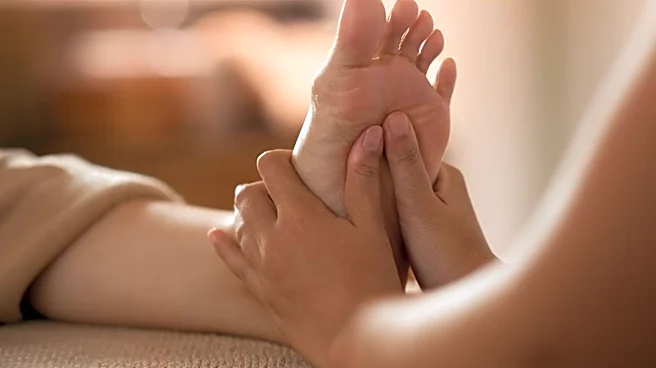
Lymphatic drainage massage (MLD) is a specialized therapeutic technique designed to stimulate the lymphatic system, which helps move fluid, reduce swelling, and support the body's natural healing processes. Unlike traditional deep-tissue massage, MLD uses
light, rhythmic strokes to encourage lymph fluid flow towards lymph nodes where waste is filtered. Its primary clinical application is as part of complete decongestive therapy (CDT) for lymphedema, particularly after cancer-related surgeries. In this context, MLD, combined with compression, exercise, and skin care, has shown a modest but measurable benefit in reducing swelling and improving patient comfort. However, for other applications, such as routine post-cosmetic surgery recovery or as a 'detox' method, the evidence is considerably weaker. Many patients report comfort and relief after cosmetic procedures, but rigorous large-scale studies proving MLD's impact on final cosmetic results or accelerated healing are limited. The technique is generally safe when performed by a certified therapist, but contraindications include active infections, suspected blood clots, or untreated heart failure, as deliberately moving fluid in these conditions can be dangerous.
Why It's Important?
The distinction between evidence-backed and unsubstantiated claims for lymphatic drainage massage is crucial for patient safety, effective treatment, and responsible healthcare spending. For individuals suffering from lymphedema, often a chronic and debilitating condition following cancer treatment, MLD is a valuable component of a comprehensive care plan, offering tangible benefits in managing swelling and improving quality of life. However, the widespread marketing of MLD for general 'detoxification' or as an essential post-cosmetic surgery recovery tool, often without strong scientific backing, can lead to misinformed expectations and unnecessary financial burdens. Patients might invest in expensive, unproven treatments, potentially delaying or neglecting more effective, evidence-based interventions. Understanding the specific scenarios where MLD is genuinely beneficial versus where its effects are primarily comfort-based or entirely unproven empowers patients to make informed decisions and ensures healthcare resources are allocated effectively, prioritizing treatments with demonstrated efficacy.
What's Next?
Patients considering lymphatic drainage massage, especially after surgery, should prioritize consulting with their medical team, including their surgeon or oncologist, to determine if the treatment is appropriate and safe for their specific condition. For lymphedema patients, the focus will remain on integrating MLD into a comprehensive complete decongestive therapy (CDT) plan, which includes compression, exercise, and skin care, under the guidance of a certified lymphedema therapist (CLT). For those undergoing cosmetic surgery, obtaining explicit surgical clearance and understanding that MLD's benefits are primarily for comfort rather than guaranteed aesthetic outcomes will be key. The healthcare industry may see continued efforts to conduct more rigorous research into MLD's efficacy in various post-surgical contexts to provide clearer guidelines. Additionally, there will likely be an ongoing need for patient education to differentiate between evidence-based therapeutic applications and marketing claims, ensuring that individuals seek care from qualified and certified practitioners who adhere to established medical standards.
Beyond the Headlines
The discussion around lymphatic drainage massage highlights a broader challenge in healthcare: distinguishing between legitimate therapeutic interventions and wellness trends that lack robust scientific evidence. The appeal of 'detoxification' and quick recovery solutions often overshadows the nuanced realities of medical science. This situation underscores the ethical responsibility of practitioners and marketers to present accurate information, avoiding exaggerated claims that can exploit patient vulnerability, particularly during recovery from surgery or illness. It also points to the importance of professional certification and regulation within the massage therapy industry, ensuring that specialized techniques like MLD are performed by adequately trained individuals who understand both the benefits and the contraindications. The ongoing debate also reflects how patient-reported outcomes, such as comfort and relief, while valuable, need to be carefully balanced with objective, measurable clinical evidence to guide treatment recommendations and public health messaging.