







What's Happening?
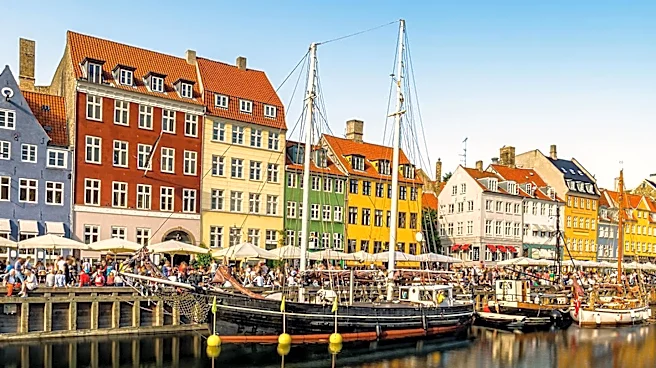
The Danish government is reportedly planning to introduce a new tourist tax in the cities of Copenhagen and Aarhus. According to the Danish business newspaper Børsen, citing government sources and a memorandum, visitors would be required to pay DKK 20
(approximately $2.80 USD) per overnight stay. This proposed tax would also apply to cruise ship passengers. The concept of a tourist tax in Denmark has been under political discussion for several years, but a concrete decision has not yet been finalized. The current proposal suggests that the revenue generated from this new tax would be used to help finance significant personal and business tax cuts that the Danish government intends to pursue in the upcoming autumn session. This move indicates a potential shift in how Denmark funds its public services and economic policies, leveraging tourism revenue to offset other tax burdens.
Why It's Important?
This proposed tourist tax in Denmark, particularly in major cities like Copenhagen, could have several implications for the U.S. tourism industry and American travelers. For U.S. citizens planning trips to Denmark, it represents an additional cost to their travel budget, potentially influencing their choice of destination or length of stay. While DKK 20 per night may seem minor, it adds to the overall expense, especially for longer visits or for families. For U.S. cruise lines operating in European waters, this tax could impact their operational costs and pricing strategies for itineraries that include Danish ports, potentially leading to higher prices for American passengers. Furthermore, if successful, this initiative could set a precedent for other European nations, including those popular with U.S. tourists, to implement similar taxes, thereby increasing the overall cost of international travel for Americans. The broader economic impact on the U.S. travel sector, while indirect, could be felt through shifts in travel patterns and consumer spending habits.
What's Next?
The Danish government is expected to seek support for the proposed tourist tax and associated tax cuts during the autumn. The discussions surrounding this proposal will likely involve various stakeholders, including the tourism industry, local municipalities, and political parties. If approved, the tax would be implemented, requiring visitors to Copenhagen and Aarhus, including those arriving via cruise ships, to pay the DKK 20 per overnight stay. The exact timeline for implementation and the final details of the tax cuts remain subject to parliamentary approval and further governmental decisions. The outcome of these discussions will determine the future financial landscape for tourists visiting these Danish cities and could influence similar policy considerations in other European countries.
Beyond the Headlines
The potential implementation of a tourist tax in Denmark highlights a growing trend among European nations to leverage tourism as a direct revenue source for public services and economic initiatives. This move reflects a broader debate about the sustainability of tourism, the burden it places on local infrastructure, and how visitors can contribute to the local economy beyond direct spending. For U.S. travelers, it underscores the evolving financial landscape of international travel, where hidden or additional taxes are becoming more common. Ethically, it raises questions about equitable taxation, as tourists, who do not benefit from local public services in the same way residents do, are asked to contribute to national tax cuts. This policy could also spark discussions about the balance between attracting tourists and ensuring they contribute fairly to the host country's economy and infrastructure, potentially influencing how U.S. travel agencies and tour operators package and market European destinations.