




What's Happening?
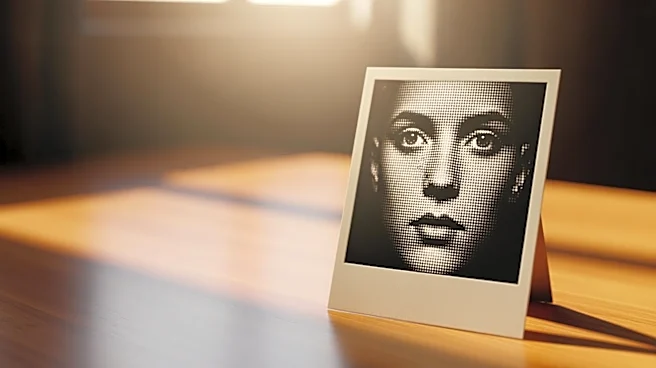
Researchers at Anglia Ruskin University, led by Utkarsh Gupta and Jane Aspell, have discovered a novel method to help individuals recall long-lost childhood memories. The study involved participants viewing a digitally altered version of their own face,
making them appear as children. This visual manipulation, known as the enfacement illusion, significantly enhanced the participants' ability to recall episodic childhood memories. The experiment demonstrated that the bodily self, a foundational aspect of memory and identity, plays a crucial role in memory recall. Participants who saw their childlike faces were able to remember more detailed childhood memories compared to those who viewed their unaltered adult faces.
Why It's Important?
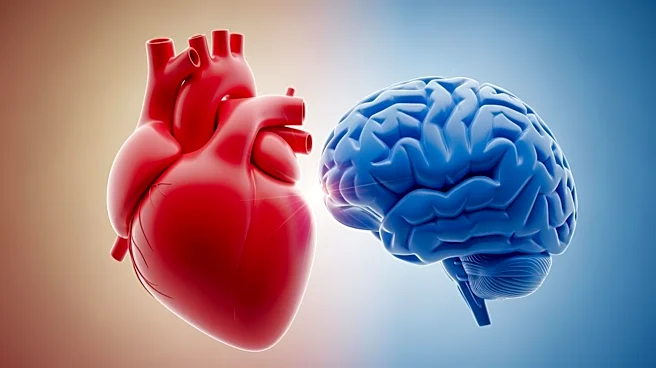
This groundbreaking study challenges the traditional belief that memories are solely stored in the mind and can be accessed through thought alone. The findings suggest that the body, particularly the visual perception of oneself, is integral to memory retrieval. This research could have significant implications for therapeutic practices, especially in treating memory-related conditions such as Alzheimer's disease. By utilizing body illusions, therapists might develop new methods to enhance memory recall and improve cognitive functions in patients. Additionally, the study opens up possibilities for using virtual reality and other digital technologies in psychological therapies, potentially transforming how memory and identity are understood and treated.
What's Next?
The researchers suggest that more sophisticated body illusions could further enhance memory recall from different life stages. Future studies may explore the use of deepfake technology to create more personalized and accurate childhood representations, potentially leading to even more significant memory retrieval. The application of this research in therapeutic settings, such as reminiscence therapy for dementia patients, could be explored further. As technology advances, the integration of virtual reality and digital face alteration in psychological treatments may become more prevalent, offering new avenues for enhancing mental health and well-being.
Beyond the Headlines
The study highlights the interconnectedness of memory, identity, and the physical self, suggesting that our understanding of self is not just a mental construct but also a bodily experience. This research could lead to a paradigm shift in how memory and identity are perceived, emphasizing the role of the body in cognitive processes. The ethical implications of using digital alterations to manipulate self-perception and memory recall will need careful consideration, particularly in therapeutic contexts. As these technologies become more accessible, their impact on personal identity and memory could have profound cultural and psychological effects.