




What's Happening?
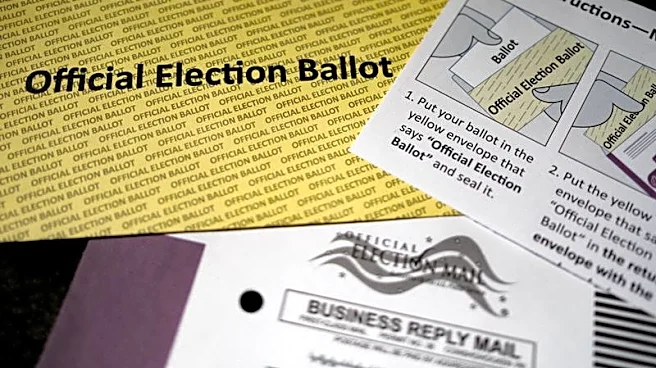
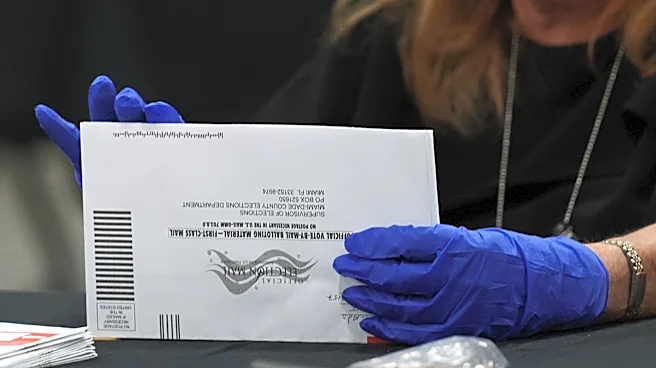
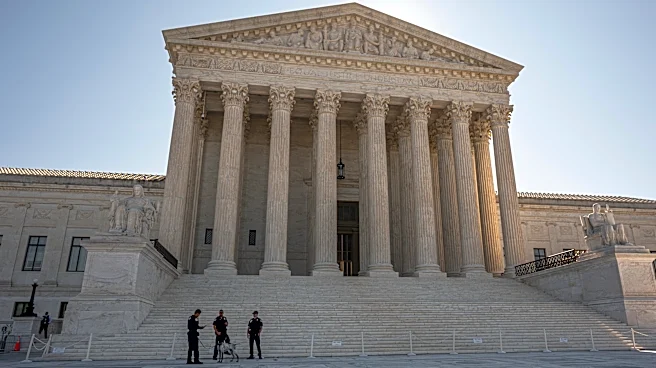
Democrat-led states and voting rights groups have refiled lawsuits to block the Trump administration's new regulation restricting mail-in voting, following a U.S. Supreme Court decision that lifted a nationwide pause on the policy. The Supreme Court's
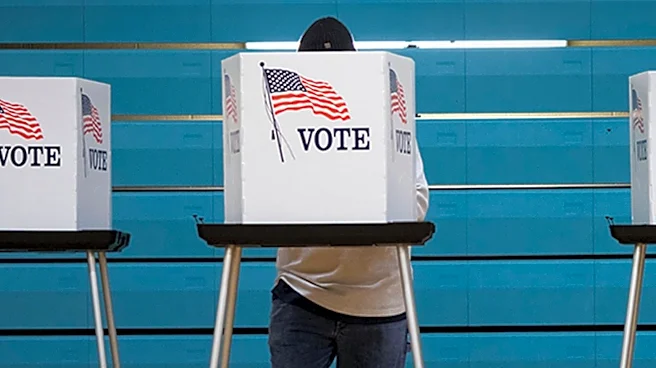
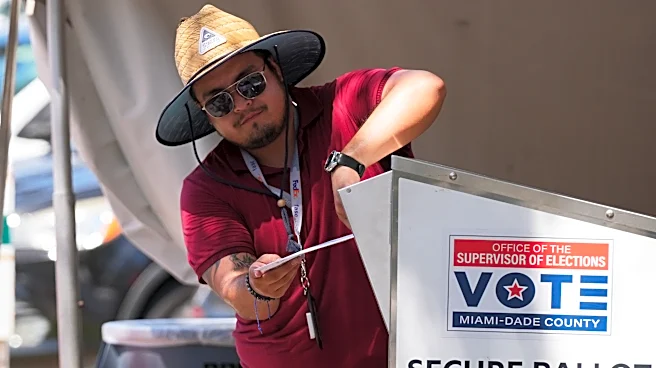
earlier ruling stated that states lacked standing to challenge President Trump's March 31 executive order because there was no enforceable final rule at the time. However, with the U.S. Postal Service (USPS) now having published a final rule on August 21, the legal landscape has changed. This final rule establishes new ballot-design requirements and mandates states collect voter information for transmission to the federal government, also forbidding the USPS from delivering or collecting mail-in ballots from individuals not confirmed as eligible voters. Twenty-four states and the District of Columbia have launched a new federal lawsuit, arguing the USPS rule is unconstitutional and infringes on states' authority over election administration.
Why It's Important?
This legal challenge is critical as it directly impacts the administration of elections and the accessibility of mail-in voting across the United States, especially with midterm elections approaching. States argue that the new USPS rule imposes significant burdens on their resources, forcing them to overhaul their vote-by-mail systems with little time. More fundamentally, they contend that the rule encroaches upon the constitutional power of states to administer elections, a power not granted to the President or the Postal Service. The outcome of these lawsuits will determine the extent of federal authority over state election processes and could significantly affect voter participation, particularly for those who rely on mail-in ballots, such as the elderly or disabled. The White House, however, frames the order as an election security measure, asserting that it aims to protect the integrity of American elections.
What's Next?
U.S. District Judge Indiria Talwani, who previously issued a nationwide injunction against the policy, has lifted her pause in compliance with the Supreme Court's decision but has set a rapid briefing schedule for the new cases. A decision on a request for a new temporary injunction is expected soon, likely by Monday, and an appeal is anticipated regardless of the outcome. This means the legal battle will continue to unfold rapidly, potentially leading to further Supreme Court involvement. State election officials face ongoing uncertainty and may need to prepare for rapid adjustments to their mail-in voting systems. The litigation will clarify the boundaries of federal and state power in election administration and could set precedents for future electoral policies.
Beyond the Headlines
Beyond the immediate legal and logistical challenges, this situation highlights a deeper ideological conflict over voting access versus election security. President Trump's long-standing opposition to mail-in voting, which he has publicly stated would 'LEAD TO THE END OF OUR GREAT REPUBLICAN PARTY,' underscores the political motivations behind these regulations. The debate touches upon the very nature of democratic participation and trust in electoral processes. The legal challenges also raise questions about the role of federal agencies, like the USPS, in implementing policies that have significant political and constitutional implications. The outcome could influence voter confidence, reshape voting habits, and further politicize the non-partisan administration of elections, potentially leading to long-term shifts in how Americans cast their ballots.