
What's Happening?
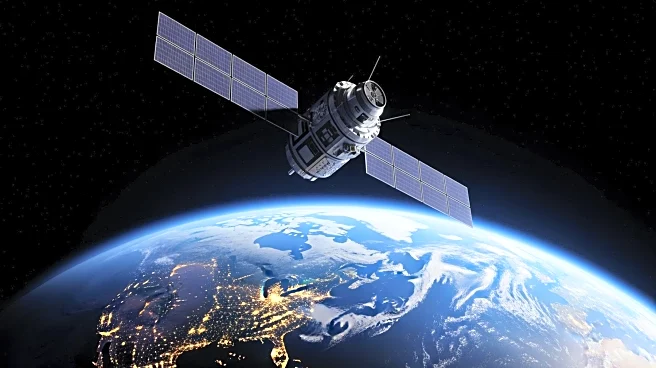
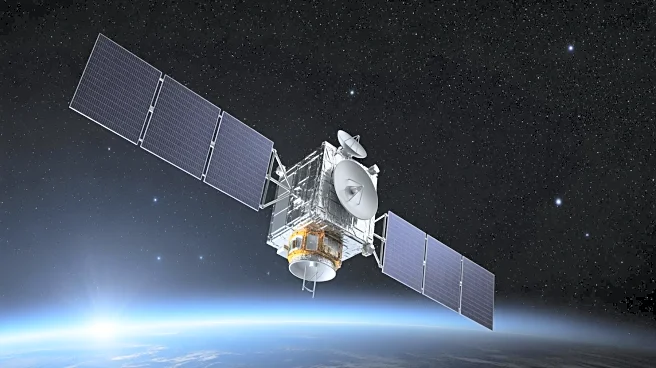
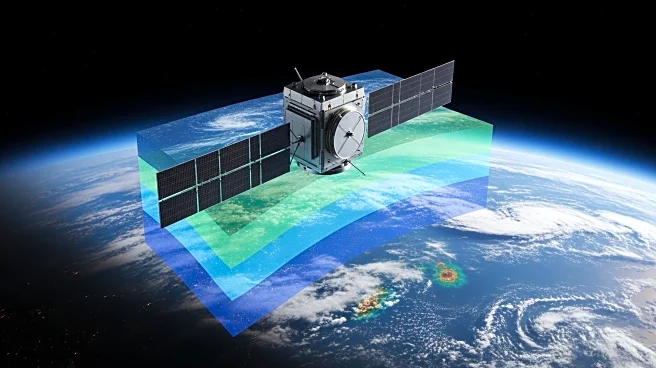
NASA's TRACERS (Tandem Reconnection and Cusp Electrodynamics Reconnaissance Satellites) mission has commenced preliminary science data collection. The mission, which launched on July 23 from Vandenberg Space Force Base, involves two satellites designed
to study magnetic reconnection in Earth's atmosphere. Space Vehicle 2 has completed its commissioning and is fully operational, while Space Vehicle 1 is functioning with limitations due to a power subsystem issue that caused intermittent communication. The mission team has adapted by focusing data collection on Earth's southern polar cusp, allowing Space Vehicle 1 to maximize sunlight exposure for power. This adjustment is crucial for achieving the mission's science goals, which include understanding space weather phenomena that affect Earth's magnetic field.
Why It's Important?
The TRACERS mission is significant for its potential to enhance understanding of magnetic reconnection, a process that influences space weather and can impact Earth's power grids and communication systems. By studying how particles from space interact with Earth's atmosphere, the mission aims to improve predictions of geomagnetic storms, which pose risks to satellites and astronauts. The mission's success could lead to better preparedness for space weather events, safeguarding technological infrastructure and human activities reliant on space-based systems.
What's Next?
The mission team will continue to develop a new operational plan to optimize data collection under the current constraints. This includes commissioning instruments on Space Vehicle 1 and assessing the impact on the mission's science goals. Ongoing efforts will focus on maximizing the scientific output from the southern polar cusp observations, with updates provided by NASA as the mission progresses.