





What's Happening?
The Internal Revenue Service (IRS) has announced tax relief for individuals and businesses in Alabama affected by Hurricane Isaias, which began on October 7, 2026. Taxpayers in 39 Alabama counties, including Autauga, Baldwin, and Mobile, now have until
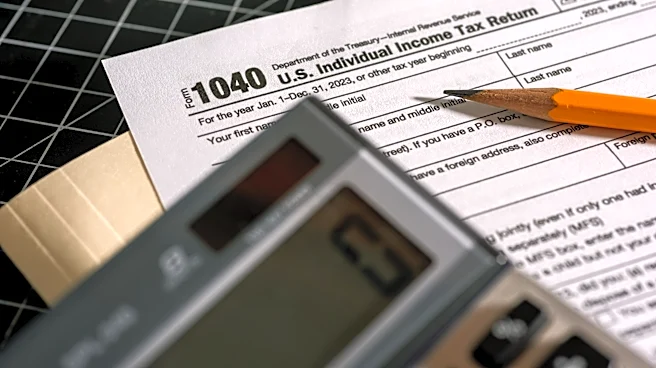
February 4, 2027, to file various federal individual and business tax returns and make tax payments. This postponement applies to deadlines that originally fell on or after October 7, 2026, and before February 4, 2027. This includes individual, corporate, and estate and trust income tax returns, partnership returns, S corporation returns, and certain excise tax returns. Estimated income tax payments due on or after October 7, 2026, are also postponed until February 4, 2027, with no penalties for failure to pay estimated tax installments if paid by the new deadline. The IRS automatically identifies taxpayers in the covered disaster area for this relief, but those outside the area with affected records can call a special toll-free number.
Why It's Important?
This tax relief is crucial for individuals and businesses in the affected Alabama counties as it provides much-needed breathing room to recover from the impact of Hurricane Isaias without the immediate pressure of tax deadlines. Natural disasters often cause significant disruption, including damage to property, displacement, and loss of income, making it difficult for taxpayers to meet their financial obligations. By postponing filing and payment deadlines, the IRS helps alleviate some of the financial and administrative burdens during a critical recovery period. This relief allows affected taxpayers to prioritize immediate needs such as rebuilding and restoring their lives and businesses. It also helps prevent additional financial strain from penalties, which could further hinder recovery efforts. The automatic identification of affected taxpayers by the IRS simplifies the process, ensuring that relief reaches those who need it most without requiring extensive applications.
What's Next?
Affected taxpayers in Alabama should utilize this extended deadline to organize their financial records and prepare their tax filings. While the deadlines are postponed, interest and late-payment penalties will continue to accrue on missed payments during the postponement period for those in installment agreements, though the agreements themselves will not default. Taxpayers who receive late filing or payment penalty notices for dates within the postponement period should contact the IRS to have the penalties abated. The IRS may provide additional disaster relief in the future, and taxpayers should stay informed through official IRS channels. Those with records outside the disaster area but impacted by it should proactively contact the IRS. This relief also highlights the ongoing need for disaster preparedness and recovery planning for both individuals and businesses in disaster-prone regions.
Beyond the Headlines
The provision of tax relief following natural disasters underscores the government's role in supporting communities during crises. Such measures are part of a broader framework of disaster response that includes federal aid, insurance programs, and community support. The 'Disaster Related Extension of Deadlines Act' ensures that the postponement of tax deadlines is treated as an extension for refund calculations, offering additional time for taxpayers to claim refunds or credits. This relief also brings attention to the broader economic impact of natural disasters, which can disrupt local economies, supply chains, and employment. The IRS's proactive approach in identifying affected taxpayers and providing automatic relief demonstrates an effort to streamline assistance, reducing bureaucratic hurdles during times of distress. This policy also serves as a reminder for all taxpayers, especially those in vulnerable areas, to maintain accessible and secure financial records that can withstand unforeseen events.