



What's Happening?
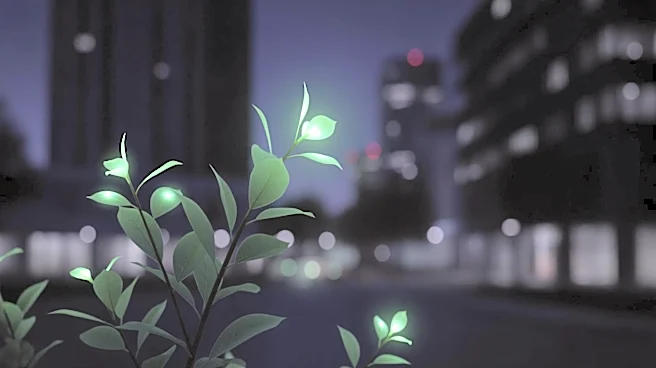
Chinese scientists have successfully engineered over 20 plant species to emit natural light, offering a potential alternative to traditional electricity-based lighting. This development involves two primary methods: genetic modification and phosphor injection.
Dr. Li Renhan's team at Magicpen Bio has inserted genes from fireflies and luminous fungi into plants like orchids and sunflowers, enabling them to glow autonomously. Meanwhile, researchers at South China Agricultural University have injected phosphor particles into succulents, which recharge via sunlight or LED exposure. These innovations aim to create sustainable lighting solutions that could illuminate urban parks and tourism sites, reducing reliance on electricity.
Why It's Important?
The creation of bioluminescent plants represents a significant advancement in sustainable technology, potentially reducing energy consumption and environmental impact. By providing a natural source of light, these plants could lower electricity bills and decrease the carbon footprint associated with traditional lighting. This innovation also opens new possibilities for urban planning and design, integrating natural elements into cityscapes. The U.S. market has already seen the introduction of similar products, such as Light Bio's Firefly Petunias, indicating a growing interest in bioluminescent home decor. As research continues, these plants could become a viable alternative to conventional lighting solutions.
What's Next?
Future developments in bioluminescent technology may focus on increasing the brightness and longevity of the light emitted by these plants. Companies like Ginkgo Bioworks are collaborating with Light Bio to enhance the luminescence of these plants, potentially making them ten times brighter. While bio-streetlamps are still years away due to current intensity limitations, the continued research and development in this field could lead to broader applications in urban environments. As the technology matures, it may also influence regulatory frameworks and market dynamics in the lighting industry.