




What's Happening?
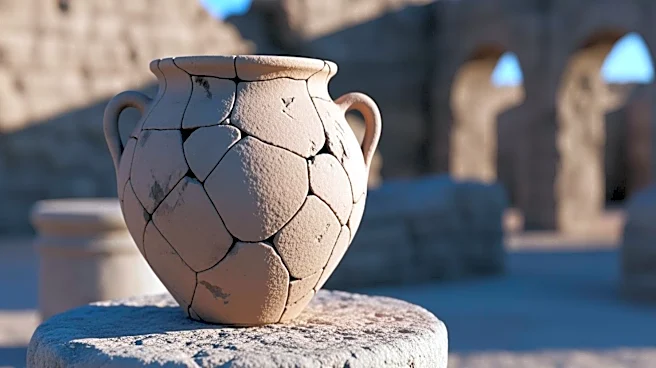
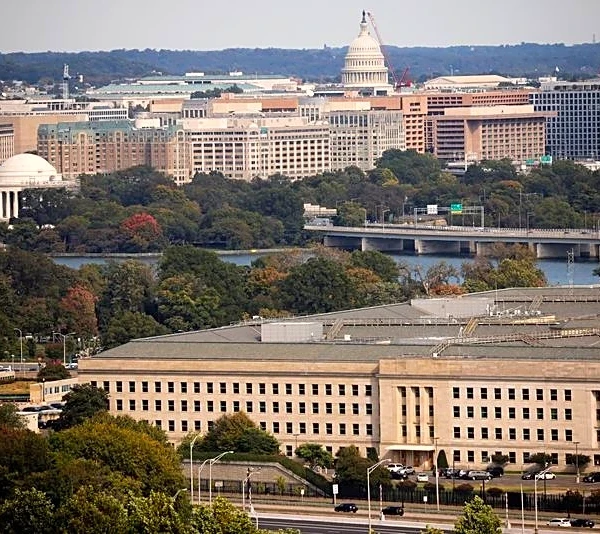
More than 200 cultural figures have signed a statement condemning the United States and Israel for causing 'irreversible damage' to Iran's cultural heritage. The statement, which includes signatories from scholars and cultural professionals worldwide,
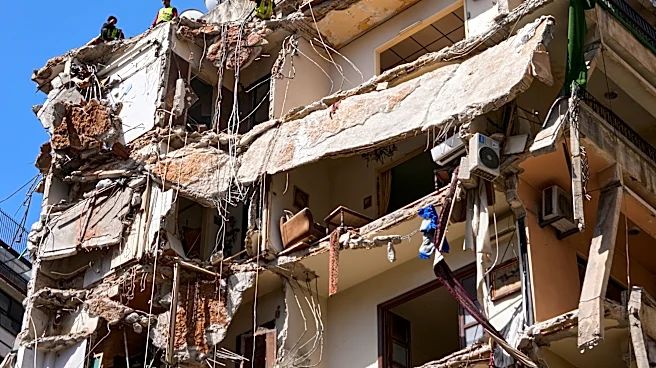
criticizes the inadequate response from international institutions. It highlights potential violations of international law, referencing the 1954 Hague Convention for the Protection of Cultural Property. The statement follows a legal letter from over 100 U.S.-based international law experts, which argues that the attacks on Iran violate the United Nations Charter and raise concerns about potential war crimes. Since the start of U.S.-Israeli strikes on February 28, over 3,000 people have been killed in Iran, and more than 130 UNESCO and national monuments have been damaged.
Why It's Important?
The destruction of cultural heritage in Iran has significant implications for international law and cultural preservation. The criticism from cultural figures and legal experts underscores the potential for these actions to be classified as violations of international humanitarian law. This situation highlights the challenges in enforcing international conventions designed to protect cultural property during armed conflicts. The lack of decisive action from international bodies like UNESCO raises concerns about the effectiveness of existing legal frameworks in safeguarding cultural heritage. The ongoing conflict and its impact on cultural sites could influence future international policies and legal protections.
What's Next?
A fragile ceasefire between the U.S. and Iran is currently in place, with further negotiations expected. The statement calls for international organizations to prepare for post-war heritage assessment and restoration in Iran and other affected countries. The ongoing dialogue and potential for renewed conflict mean that the situation remains fluid, with the possibility of further damage to cultural sites. The response from international bodies and the enforcement of international law will be critical in shaping the future of cultural heritage protection in conflict zones.