





What's Happening?
UN member states are currently negotiating the Global Plastics Treaty, a legally binding agreement aimed at regulating plastics throughout their entire lifecycle, from production to disposal. This initiative comes amidst growing concerns about plastics'
impact on human health and the environment. The Lancet Countdown on Health and Plastics reports that plastic exposure is linked to various health issues, including cancer, endocrine disruption, respiratory illness, and developmental disorders, disproportionately affecting low-income populations. The economic cost of plastic-related health issues is estimated at over $1.5 trillion annually. Key provisions under consideration for the treaty include capping virgin polymer production, eliminating harmful plastic additives, establishing global reporting standards, and enforcing circular economy practices. The Lancet Countdown will also launch an independent monitoring system to track national progress in reducing plastic-related health risks, promoting transparency and accountability for governments and businesses.
Why It's Important?
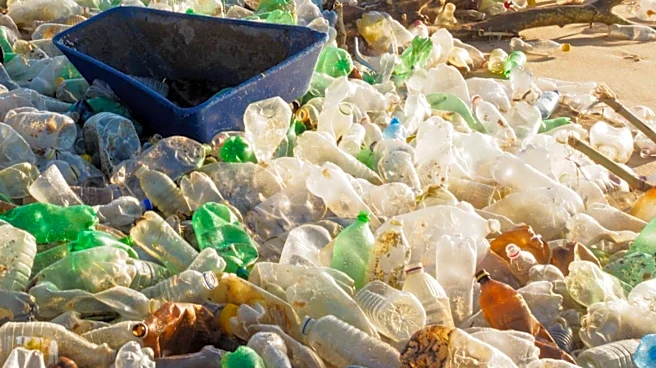
The Global Plastics Treaty is a critical international effort to address a pervasive environmental and public health crisis. The widespread presence of plastic waste in oceans, soils, and even human bodies underscores the urgency of this agreement. If enacted in its current form, the treaty could significantly alter industrial practices, particularly for sectors heavily reliant on plastic. The emphasis on capping virgin polymer production and eliminating harmful additives would necessitate a shift towards more sustainable materials and manufacturing processes. The mandated global reporting standards would provide crucial data for assessing progress and holding nations and corporations accountable. For the U.S., this treaty could lead to new regulations for plastic manufacturers and industries that use plastic in their products, potentially driving innovation in sustainable alternatives and recycling technologies. The health implications, with plastics contributing to over $1.5 trillion in annual health-related economic losses, highlight the substantial societal and economic benefits of reducing plastic pollution.
What's Next?
Negotiations for the Global Plastics Treaty are ongoing, with industry groups advocating for voluntary measures while scientific findings from The Lancet push for stricter enforcement. The outcome of these negotiations will determine the final scope and enforceability of the treaty. Following its potential passage, the Lancet Countdown on Health and Plastics will launch its independent monitoring system, providing a continuous assessment of national efforts to mitigate plastic-related health risks. This monitoring will likely influence policy decisions and corporate strategies globally. Businesses, particularly those in manufacturing, packaging, and consumer goods, will need to closely follow the treaty's development and prepare for potential changes in regulations, supply chains, and material requirements. Governments will be tasked with implementing and enforcing the treaty's provisions, which could involve developing new national laws and policies to align with international standards. The success of the treaty will depend on the commitment of member states to move beyond voluntary measures towards legally binding and enforceable actions.
Beyond the Headlines
The Global Plastics Treaty represents a significant step towards recognizing and addressing the systemic nature of plastic pollution, moving beyond individual waste management efforts to tackle the entire lifecycle of plastics. This shift reflects a growing understanding that plastic pollution is not merely an environmental issue but a complex challenge with profound health, economic, and social dimensions. The treaty's focus on eliminating harmful additives and promoting circular economy practices could catalyze a broader re-evaluation of material science and industrial design, fostering a transition towards a more sustainable and less toxic global economy. The disproportionate impact on low-income and at-risk populations also highlights the environmental justice aspect of plastic pollution, underscoring the need for equitable solutions. The independent monitoring system by The Lancet Countdown could set a precedent for future international environmental agreements, emphasizing science-based accountability and transparency in addressing global crises.