




What's Happening?
Iron deficiency, a common nutritional issue, is increasingly recognized for its impact on brain function, particularly among women. Experts highlight that iron is crucial for producing neurotransmitters and maintaining cognitive functions. Women are disproportionately
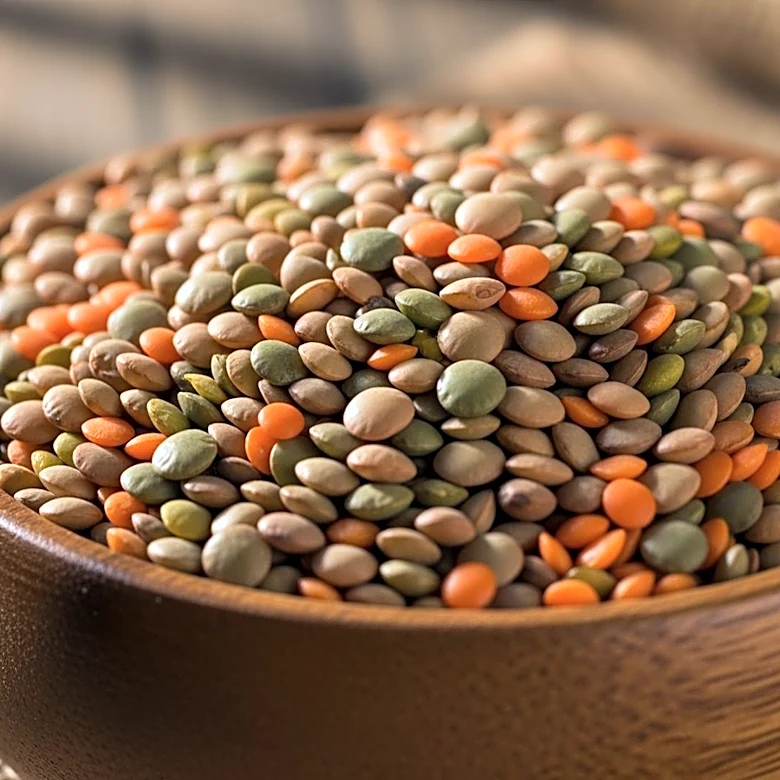
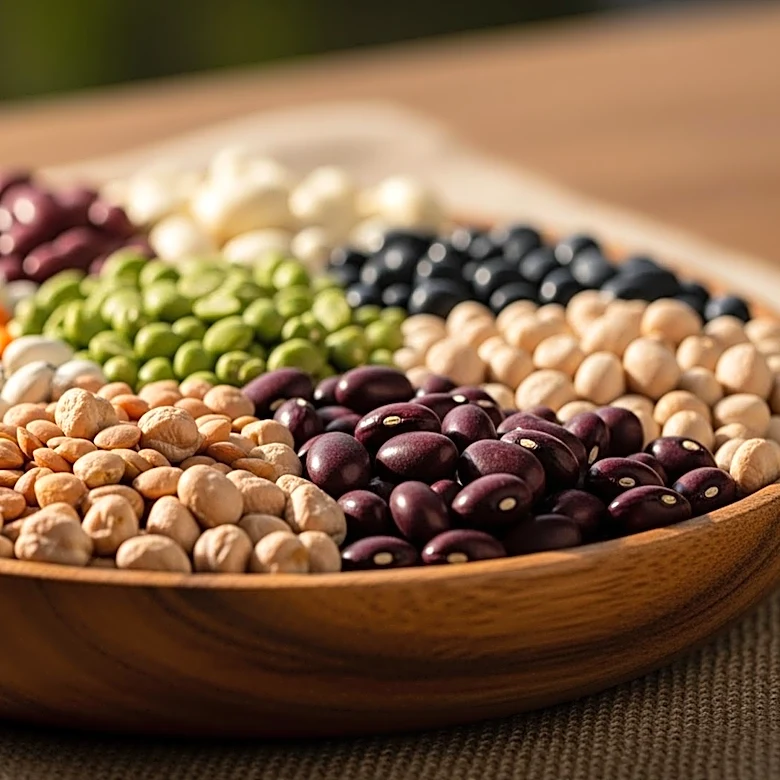
affected due to menstrual cycles and increased iron needs during pregnancy. Symptoms of deficiency include fatigue, brain fog, and difficulty concentrating. Registered dietitian Jennifer Pallian recommends a food-first approach to increase iron intake, emphasizing heme iron sources like red meat and poultry. Non-heme sources, such as plant-based foods, should be paired with vitamin C-rich foods to enhance absorption.
Why It's Important?
Iron deficiency can significantly affect cognitive health, impacting daily functioning and quality of life. This issue is particularly pressing for women, who are more prone to deficiency due to biological factors. Addressing iron deficiency through diet or supplements can improve cognitive performance and overall well-being. The findings underscore the need for increased awareness and proactive management of iron levels, especially in populations at higher risk. This could lead to changes in dietary guidelines and public health strategies aimed at preventing iron deficiency and its cognitive consequences.
What's Next?
Healthcare providers may increase screening for iron deficiency, particularly in women, to prevent cognitive decline. Public health campaigns could focus on educating the public about the importance of iron-rich diets and the role of vitamin C in enhancing iron absorption. Further research is needed to explore the long-term cognitive effects of iron deficiency and the effectiveness of various interventions. Policymakers might consider fortifying foods with iron or providing supplements to at-risk populations to address this widespread issue.