
What's Happening?
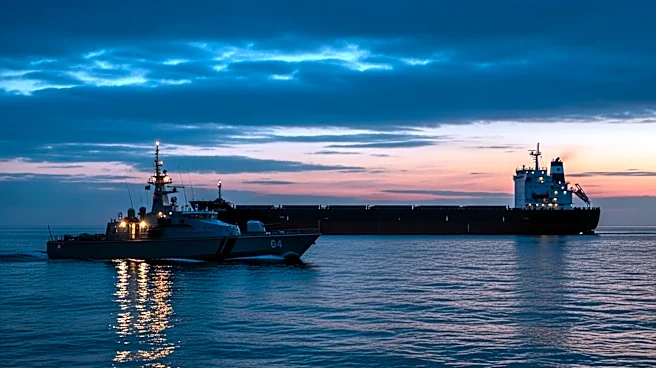
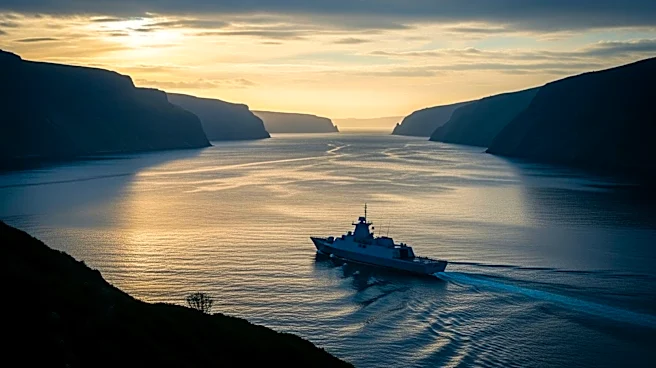
The United Kingdom and France are spearheading a multinational effort to reopen the Strait of Hormuz, a critical maritime passage for global oil shipments. This initiative involves a two-day conference
in the UK, gathering military planners from over 30 countries. The conference follows U.S. President Trump's decision to extend the U.S.-Iran ceasefire, while maintaining a naval blockade at the Strait, which Iran has criticized as a 'siege'. The UK and France aim to develop a military plan to ensure freedom of navigation and support a lasting ceasefire. The UK Defence Secretary emphasized the importance of international trade and energy security, highlighting the need for coordinated multinational action.
Why It's Important?
The Strait of Hormuz is a vital chokepoint for the global oil supply, with a significant portion of the world's oil passing through it. The ongoing tensions between the U.S. and Iran, and the blockade, threaten global energy security and economic stability. The UK's and France's leadership in reopening the Strait underscores the international community's reliance on this passage for energy and trade. Successful reopening could stabilize oil markets and prevent further economic disruptions. However, failure to resolve the blockade could lead to increased oil prices and heightened geopolitical tensions.
What's Next?
The outcome of the conference will likely influence future diplomatic and military strategies in the region. If a sustainable ceasefire is achieved, it could pave the way for resumed negotiations between the U.S. and Iran. However, continued tensions may lead to further military escalations or economic sanctions. The international community will be closely monitoring the situation, as any developments could have far-reaching implications for global energy markets and regional stability.