


What's Happening?
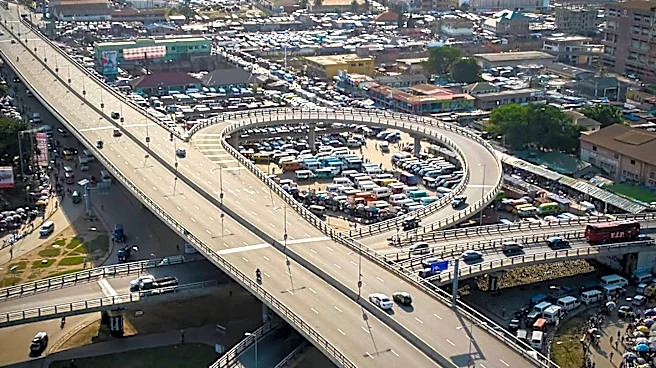
The Durham City Council is scheduled to hear a report on the final Vision Plan for the future of the Durham Freeway. This plan is the culmination of a years-long study involving community engagement to reimagine the road, which was constructed in the 1970s.
The freeway, built to connect Research Triangle Park to central Durham, notably destroyed historic Black communities, including parts of the Hayti community. Mayor Leonardo Williams emphasized the city's commitment to acknowledging past wrongs and utilizing infrastructure and public policy to reconnect communities. The council will discuss three primary options: a Boulevard Conversion, which would replace the elevated freeway with an at-grade urban boulevard; a Freeway Cap/Land Bridge option, involving structural caps over the freeway to create parks and plazas; and Freeway Modernization, which would entail targeted upgrades and auxiliary lanes. The Boulevard Conversion and Freeway Cap options are estimated to cost between $450 million and $800 million, while modernization is projected at $450 million. Mayor Williams noted that local funding alone would be insufficient, requiring federal and state government resources.
Why It's Important?
This initiative is significant for Durham as it directly addresses historical injustices and aims to rectify the divisive impact of past urban planning on Black communities. The potential transformation of the Durham Freeway could serve as a national model for cities grappling with similar legacies of infrastructure projects that disproportionately affected marginalized populations. By prioritizing local access, community reconnection, and new housing opportunities, the plan seeks to foster equitable development and social cohesion. The financial implications are substantial, with costs ranging from $450 million to $800 million, highlighting the need for multi-layered funding from federal and state governments. This project underscores the growing recognition among U.S. cities of the importance of restorative justice in urban development and the role of infrastructure in either dividing or uniting communities. The outcome will influence future urban planning strategies and funding allocations for similar projects across the country.
What's Next?
The Durham City Council's work session will involve a discussion of the three proposed options for the freeway's future. Following this, the next steps will include environmental review, establishing a governance structure for partnerships, executing preliminary engineering, and developing a comprehensive funding strategy. Mayor Williams stressed the necessity of meaningful collaboration with state and federal entities, acknowledging that the city cannot fund such a large-scale infrastructure project independently. The community, including long-standing residents and churchgoers from areas like St. Mark AME Zion Church, are hopeful that changes will lead to better connections and a more integrated community. The decision on which option to pursue will set the course for the freeway's transformation and its long-term impact on Durham's urban landscape and social fabric.
Beyond the Headlines
The Durham Freeway Vision Plan delves deeper than mere infrastructure upgrades; it represents a critical effort to confront and reconcile with the historical consequences of urban development on racial equity. The destruction of the Hayti community for the freeway's construction is a stark example of how infrastructure projects in the mid-20th century often exacerbated racial segregation and economic disparity. By actively seeking to 'bring people back together' through infrastructure and public policy, Durham is engaging in a form of restorative justice. This approach acknowledges that physical infrastructure can embody and perpetuate systemic inequalities, and that its redesign can be a powerful tool for social healing and community building. The project's success could inspire other cities to undertake similar initiatives, fostering a broader national dialogue on the ethical responsibilities of urban planners and policymakers in addressing historical wrongs and promoting inclusive growth.