

What's Happening?
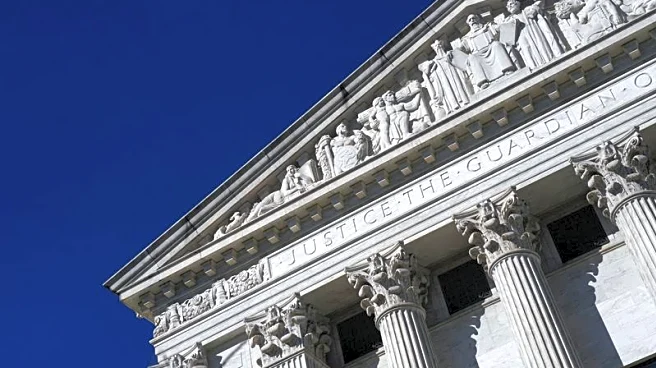
The Supreme Court has struck down Colorado's ban on conversion therapy for minors, ruling that the law violates the First Amendment by regulating speech based on viewpoint. Justice Neil Gorsuch, writing for the majority, emphasized that the law targets
speech rather than conduct, thus requiring the highest level of scrutiny under free speech precedents. Justice Ketanji Brown Jackson dissented, arguing that the ruling undermines states' ability to regulate medical practices that are harmful. The decision reverses a previous judgment by the Tenth Circuit Court of Appeals and remands the case for further proceedings.
Why It's Important?
This ruling has significant implications for state laws regulating professional conduct, particularly in the healthcare sector. It challenges the ability of states to impose restrictions on practices deemed harmful by medical organizations, potentially affecting similar laws across the country. The decision underscores the tension between free speech rights and state regulatory powers, with potential impacts on how states can protect minors from practices like conversion therapy, which has been widely discredited.
What's Next?
The ruling may prompt states to reconsider or revise their laws on conversion therapy to ensure they do not infringe on free speech rights. Legal experts and policymakers will likely debate the balance between protecting vulnerable populations and upholding constitutional freedoms. The case could lead to further legal challenges and discussions on the scope of state regulatory powers in healthcare.
Beyond the Headlines
The decision raises ethical questions about the role of speech in professional settings and the extent to which states can intervene in practices that involve verbal communication. It may influence future cases involving the regulation of speech in other professional fields, highlighting the ongoing debate over the boundaries of free speech in the context of public health and safety.