





What's Happening?
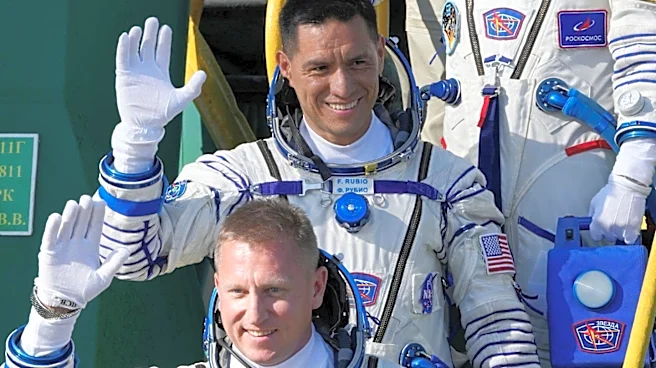
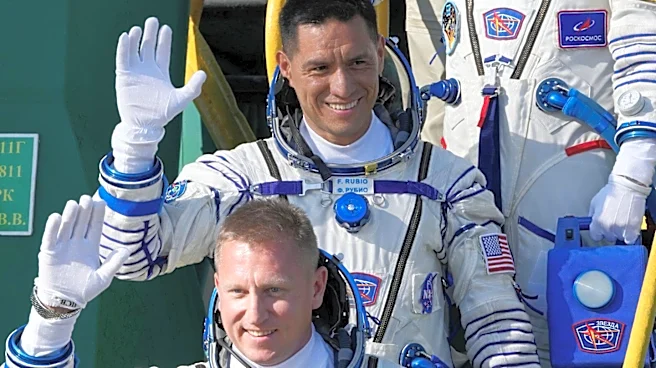
NASA astronaut Chris Williams has returned to Earth after a 241-day mission aboard the International Space Station (ISS). Alongside Roscosmos cosmonauts Sergey Kud-Sverchkov and Sergei Mikaev, Williams completed 3,856 orbits of Earth, traveling over 102
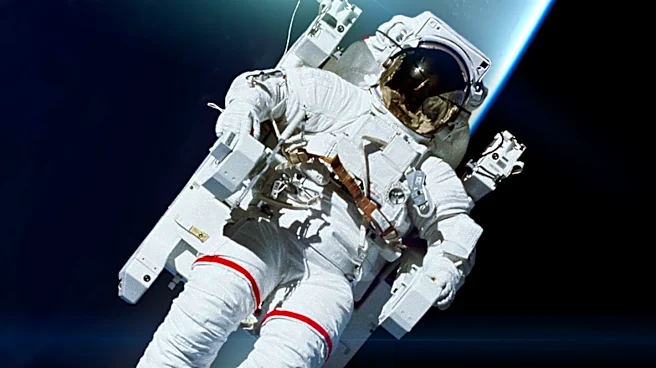
million miles. During the mission, Williams contributed to significant scientific research, including studies that could lead to new cancer treatments and advancements in materials for high-performance computers. He also participated in two spacewalks, aiding in the preparation for power system upgrades and repairing the Canadarm2 robotic arm. The mission supports NASA's goals of improving life on Earth and preparing for future human exploration of the Moon and Mars.
Why It's Important?
The mission's research has the potential to impact various fields, including medicine and technology. The development of new cancer treatments and improvements in material production could have significant benefits for industries on Earth. Additionally, the mission contributes to NASA's long-term objectives of human space exploration, providing valuable data on the challenges of long-duration spaceflight. This knowledge is crucial for future missions to the Moon and Mars, as it helps refine strategies for sustaining human life in space.
What's Next?
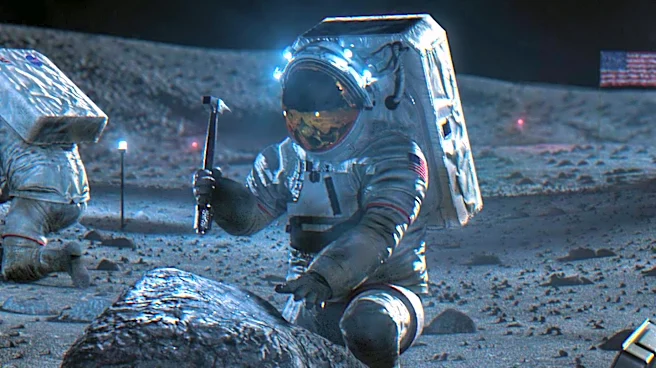
Following their return, the crew will undergo medical evaluations and debriefings. Williams will travel to NASA's Johnson Space Center in Houston for further analysis and recovery. The data collected during the mission will be analyzed to enhance future space missions and improve technologies developed in space. NASA continues to focus on its Artemis program, aiming to return humans to the Moon and eventually conduct crewed missions to Mars. The research conducted on the ISS will play a vital role in achieving these goals.