



What's Happening?
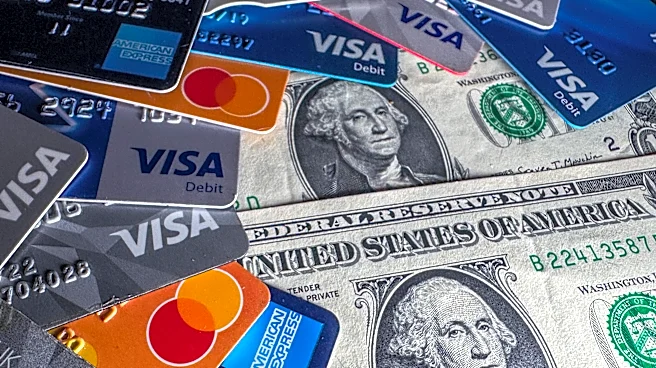
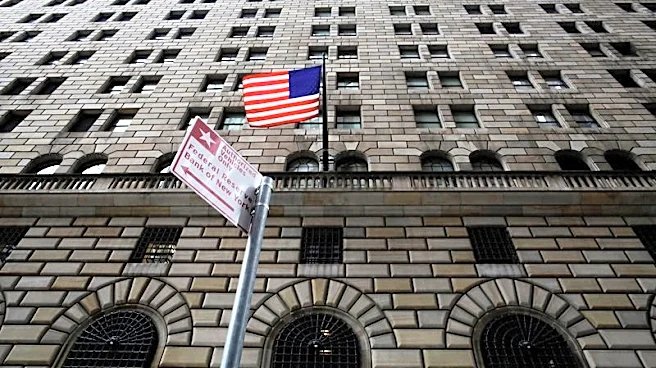
U.S. consumers are entering the holiday shopping season with record credit card balances, according to the Federal Reserve Bank of New York's latest quarterly report on household debt and credit. Total credit card debt reached $1.29 trillion in the three
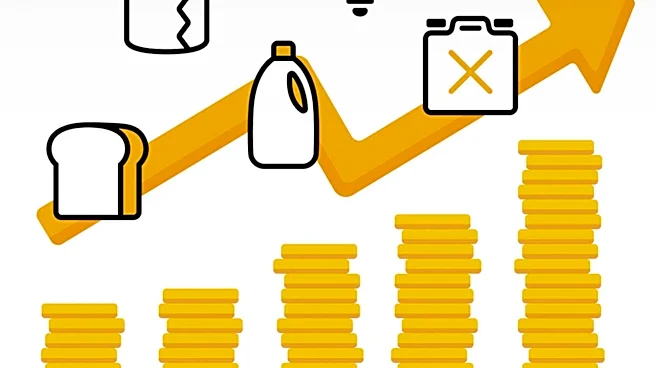
months ending in September, marking a $22 billion increase during that period. This figure represents a 67% rise compared to the first quarter of 2021, when pandemic-related restrictions limited spending on activities like travel and dining. The report indicates that total household debt, encompassing mortgages, student and auto loans, credit cards, and home equity lines of credit, climbed by $334 billion in the third quarter, reaching $19.1 trillion. This is $5 trillion higher than at the end of 2019, just before the recession induced by the pandemic. Ted Rossman, principal consumer finance analyst at Money Management International, noted that voters recently expressed concerns about the high cost of living, with prices up an average of 30% since 2019, leading many Americans to deplete savings and incur debt to cover expenses.
Why It's Important?
The surge in credit card debt highlights a growing financial strain on U.S. households, particularly as the holiday shopping season approaches. This trend suggests that many consumers are relying on credit to manage daily expenses and unexpected costs, rather than discretionary spending. The depletion of savings, with rates dipping below 4% of total income, further underscores the fragility of consumer finances. This situation could lead to increased financial instability for individuals and families, potentially impacting their ability to meet future financial obligations. For businesses, particularly retailers, this could translate into a complex holiday season. While credit card spending might initially boost sales, the underlying debt burden could lead to a future slowdown in consumer spending as households prioritize debt repayment. Companies like Kraft Heinz are already acknowledging this 'fragile state' by planning to hold off on significant price increases to accommodate consumers' financial realities, indicating a broader concern within the business community about consumer purchasing power.
What's Next?
The elevated credit card debt levels could lead to several immediate and long-term consequences. In the short term, consumers may face higher interest payments, potentially exacerbating their financial difficulties. This could also lead to an increase in delinquencies if economic conditions worsen or if unexpected expenses arise. For the broader economy, sustained high levels of consumer debt could dampen future economic growth as a larger portion of household income is allocated to debt servicing rather than new consumption or investment. Policymakers and financial institutions will likely monitor these trends closely. There could be increased calls for financial literacy programs or debt relief initiatives to help struggling consumers. Businesses may continue to adjust their pricing strategies and product offerings to cater to a more budget-conscious consumer base. The upcoming holiday season will be a critical indicator of how consumers balance their desire to spend with their existing debt burdens, potentially setting the tone for economic activity in the new year.
Beyond the Headlines
The rise in credit card debt and the depletion of savings reflect deeper societal and economic shifts. The increasing cost of living, coupled with stagnant wage growth for many, has pushed a significant portion of the population to rely on credit for essential needs rather than just discretionary purchases. This reliance on credit can create a cycle of debt that is difficult to break, particularly when unexpected events like medical bills or car repairs occur. The situation also raises questions about financial resilience and the adequacy of social safety nets in the face of economic pressures. From an ethical standpoint, the accessibility of credit cards, while offering flexibility, can also trap vulnerable populations in high-interest debt. This trend could lead to a widening wealth gap and increased financial stress, impacting mental health and overall well-being. The long-term implications could include a generation of consumers with impaired credit scores, limiting their access to future loans for homes or education, and potentially hindering their upward economic mobility.