





What's Happening?
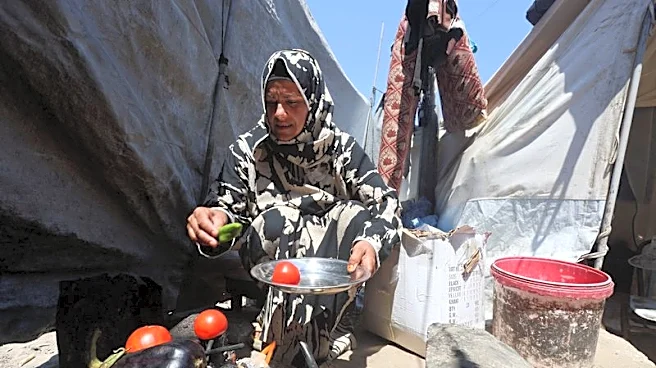
The Famine Early Warning Systems Network (FEWS NET) has projected that by January 2027, between 16.0 million and 16.99 million Nigerians will face acute hunger. This projection is part of a broader report highlighting the deepening hunger crisis in conflict
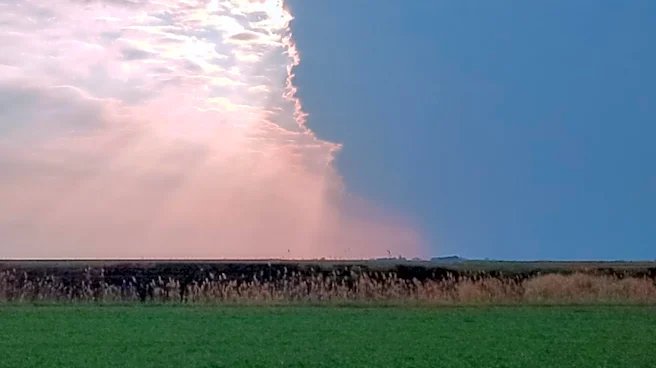
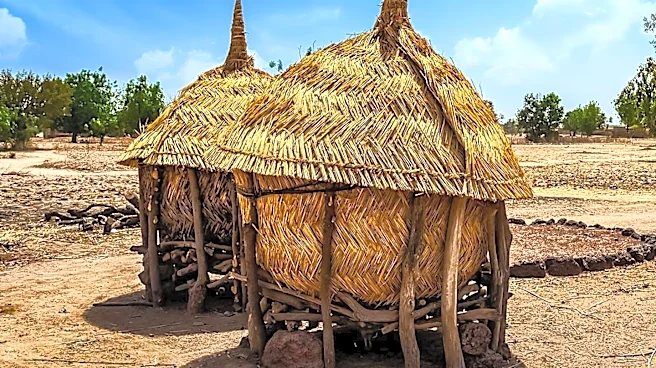
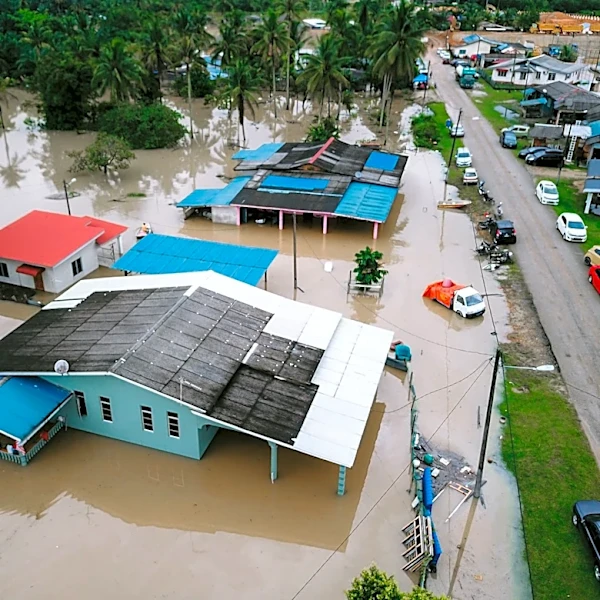
and climate-affected regions, including Nigeria. The report places Nigeria fourth globally in terms of the number of people facing hunger, following Sudan, Pakistan, and the Democratic Republic of the Congo. The crisis in Nigeria is primarily driven by conflict, economic hardship, and adverse weather conditions, which disrupt livelihoods and restrict agricultural activities. Despite an expected main harvest in December, staple food prices are anticipated to remain high due to production and supply disruptions.
Why It's Important?
The projected hunger crisis in Nigeria underscores significant humanitarian and socio-economic challenges. With a substantial portion of the population facing food insecurity, there are implications for public health, economic stability, and social cohesion. The crisis could exacerbate existing conflicts and lead to increased displacement and migration. Additionally, the situation in Nigeria reflects broader global trends, as FEWS NET estimates that between 145 million and 155 million people worldwide will require urgent food assistance by 2027. This highlights the need for coordinated international efforts to address food insecurity and its root causes, including conflict resolution and climate adaptation strategies.