
What's Happening?
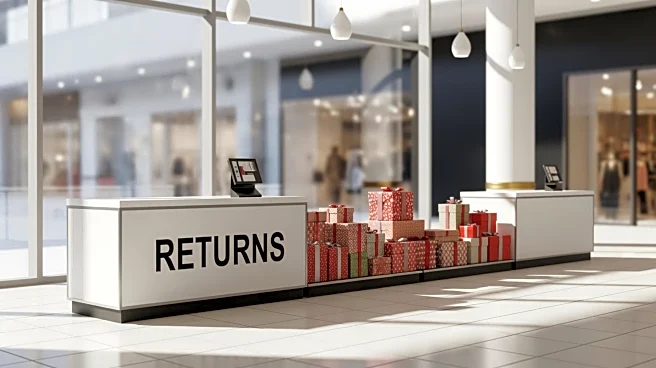
In the aftermath of the holiday season, Cherry Hill Mall has experienced a significant influx of shoppers looking to return or exchange gifts. This annual post-holiday rush is a common occurrence as consumers
seek to adjust their holiday purchases. The mall, located in Cherry Hill, New Jersey, has been bustling with activity as people navigate the return policies of various retailers. The increase in foot traffic is typical for this time of year, as many individuals receive gifts that may not fit, are duplicates, or simply do not meet their preferences. Retailers at the mall are prepared for this surge, with many implementing streamlined processes to handle the high volume of returns efficiently.
Why It's Important?
The post-holiday return period is crucial for both consumers and retailers. For consumers, it provides an opportunity to exchange unwanted gifts for items they prefer, ensuring satisfaction with their holiday haul. For retailers, this period is a test of their customer service capabilities and return policies. Efficient handling of returns can enhance customer loyalty and satisfaction, while any missteps can lead to frustration and potential loss of future business. Additionally, the return period can impact inventory management and sales strategies as retailers adjust their stock based on returned items. The economic implications are significant, as the ability to manage returns effectively can influence a retailer's bottom line.
What's Next?
As the return season progresses, retailers may continue to refine their return policies and processes to better accommodate customer needs. The use of technology, such as AI, to streamline returns and prevent fraud is likely to become more prevalent. Retailers will also analyze return data to adjust their inventory and sales strategies for the upcoming year. For consumers, understanding return policies and deadlines will be essential to ensure a smooth exchange process. The dynamics of the return season may also influence future holiday shopping behaviors, as consumers become more mindful of gift choices to minimize the need for returns.