



What's Happening?
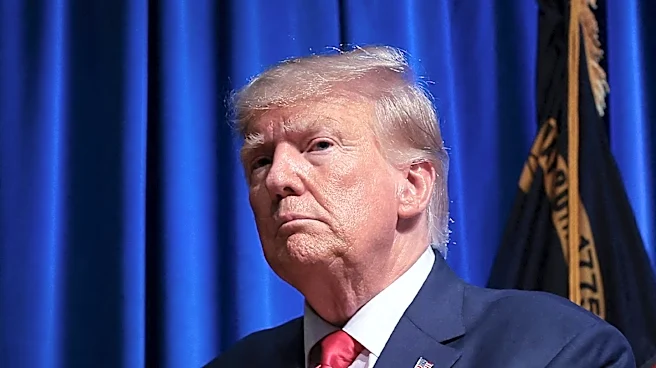
Rep. Jared Huffman (D-Calif.), the ranking member of the House Natural Resources Committee, has voiced strong opposition to the Trump administration's recent decision to weaken Section 106 of the National Historic Preservation Act. This section mandates
federal evaluation of construction projects' impacts on protected sites and requires consultation with affected groups, including Tribal Nations. The Advisory Council on Historic Preservation, filled with Trump appointees, voted to advance rules that would reduce these protections. Huffman criticized this move as an attempt to dismantle safeguards that protect America's historical sites, allowing developers to bypass considerations for tribal burial grounds and other significant locations. The American Institute of Architects and other preservationists have also condemned the decision, highlighting the potential risks to approximately 1.4 million historic sites.
Why It's Important?
The decision to weaken historic preservation protections could have significant implications for cultural heritage and community involvement in the U.S. By reducing the requirement for public consultation and narrowing the definition of historic properties, the Trump administration's actions may lead to increased development on sites of historical and cultural importance. This could marginalize the voices of Tribal Nations and local communities, who have traditionally been part of the decision-making process. The move has sparked a nationwide backlash from preservationists and legal experts, who argue that it undermines the integrity of historic preservation efforts and could lead to the loss of irreplaceable cultural sites.
What's Next?
The decision is likely to face legal challenges and increased scrutiny from lawmakers and advocacy groups. Preservationists and community leaders may seek to mobilize public opinion and legislative action to counteract the changes. The potential for increased development on historic sites could also lead to heightened tensions between developers and communities, particularly those with significant cultural and historical ties to the affected areas. The outcome of these efforts could shape the future of historic preservation policy in the U.S.