
What's Happening?
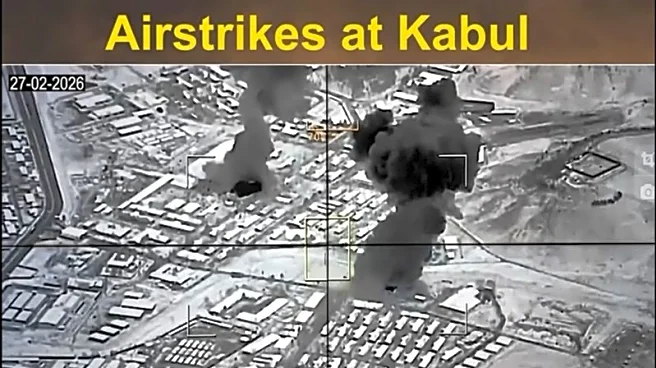
The U.S. Mission to Afghanistan has issued a security alert to American citizens following the eruption of conflict between Afghanistan and Pakistan. The alert highlights recent Pakistani airstrikes and reports of aircraft remaining in Afghan airspace,
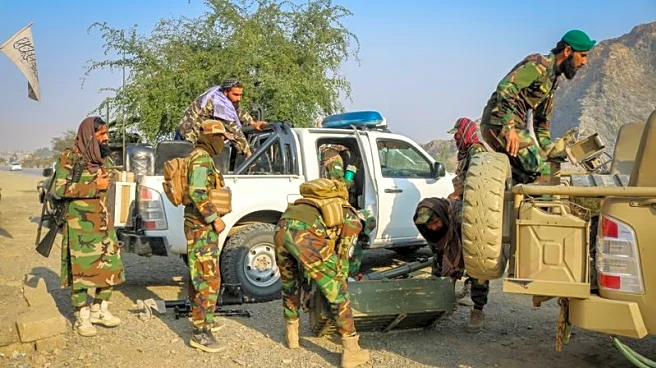
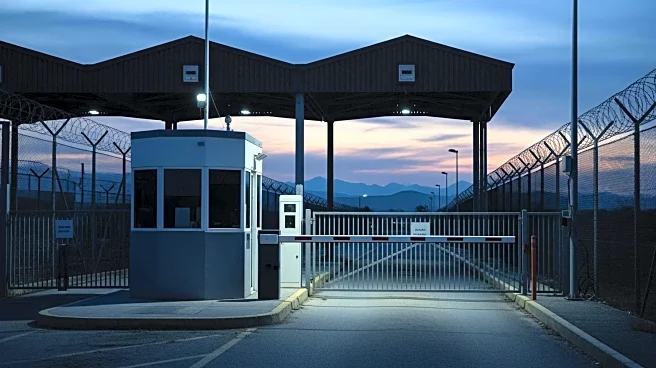
searching for targets. Fighting has been reported along the Afghanistan-Pakistan border, leading to the closure of major border crossings. The State Department's travel advisory for Afghanistan remains at level four, advising against travel due to risks including civil unrest, crime, terrorism, and limited health facilities. The U.S. Embassy in Kabul suspended operations in 2021, and the U.S. government is unable to provide consular services to citizens in Afghanistan. The Taliban regained control of Afghanistan in 2021 after the U.S. withdrawal, and tensions have been high between Afghanistan and Pakistan, with recent border clashes escalating into open conflict.
Why It's Important?
The escalation of conflict between Afghanistan and Pakistan poses significant risks to regional stability and security. The closure of border crossings and the inability of the U.S. to provide consular services highlight the precarious situation for any remaining U.S. citizens in Afghanistan. The conflict could further destabilize the region, impacting U.S. foreign policy and military strategy. The involvement of militant groups like the Tehreek-e-Taliban Pakistan (TTP) complicates the situation, as Pakistan accuses Afghanistan of harboring these groups. The ongoing violence may affect international relations and efforts to mediate peace, with potential repercussions for U.S. diplomatic and military interests in the region.
What's Next?
The situation remains fluid, with potential for further escalation or attempts at mediation. Pakistan's defense minister has declared an 'open war' with Afghanistan, indicating a possible intensification of military actions. International stakeholders, including the U.S., may seek diplomatic solutions to prevent further conflict. The role of mediators like Qatar and Turkey could be crucial in negotiating ceasefires or peace agreements. The international community may increase pressure on both nations to resolve their differences and address the underlying issues fueling the conflict.