
What's Happening?
Recent data indicates that while some U.S. renters have experienced relief from falling apartment prices, this trend may not continue. According to the U.S. Census and the Department of Housing and Urban
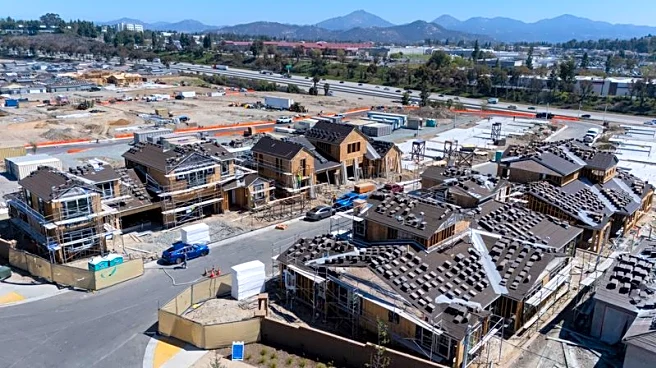
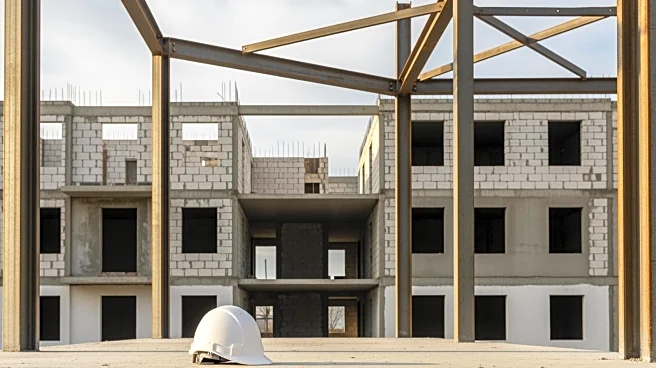
Development, the construction of new apartments has decreased significantly over the past year. This decline in new builds is expected to increase demand for existing units, potentially leading to higher rents. Urban areas such as Austin and Denver have seen notable rent reductions, whereas denser cities like New York and San Francisco have not experienced similar decreases. The pandemic-era building boom appears to be over, with fewer housing projects being initiated or completed. Despite an increase in permits for new apartment construction, the completion of these projects is not expected until after 2026 due to the lengthy construction process.
Why It's Important?
The decline in apartment construction is a critical issue in the ongoing U.S. housing affordability crisis. As fewer new apartments become available, the pressure on existing housing stock is likely to increase, driving up rental prices. This situation affects both renters and potential homebuyers, as high home prices keep many in the rental market longer than desired. The affordability crisis is exacerbated by rising interest rates, increased construction costs, and higher wages, making new building projects more expensive. The impact is particularly severe in dense urban areas, where the demand for housing is already high. This trend could lead to more individuals and families facing housing insecurity or being forced to live in less desirable conditions.
What's Next?
Looking forward, the housing market may see continued pressure on rental prices as the supply of new apartments remains limited. While there is an increase in permits for new construction, the completion of these projects will take time, potentially extending beyond 2026. Stakeholders, including policymakers and housing advocates, may need to explore solutions to address the affordability crisis, such as incentivizing construction in less dense areas or providing subsidies for affordable housing projects. The situation calls for strategic planning to ensure that housing remains accessible to a broad segment of the population.